Human rights activists have made a grave new allegation against the Iranian government, reporting that state media has aired at least 97 coerced confessions from individuals detained during recent anti-government protests. These statements, activists assert, were often extracted under duress and following torture.
A Pattern of Forced Admissions
The report, detailed by The Associated Press on January 13, 2026, highlights a systematic practice used to quell dissent. The confessions are broadcast on national television, serving as a tool for intimidation and to publicly discredit the protest movement. This tactic is not new but appears to have intensified during the latest wave of unrest.
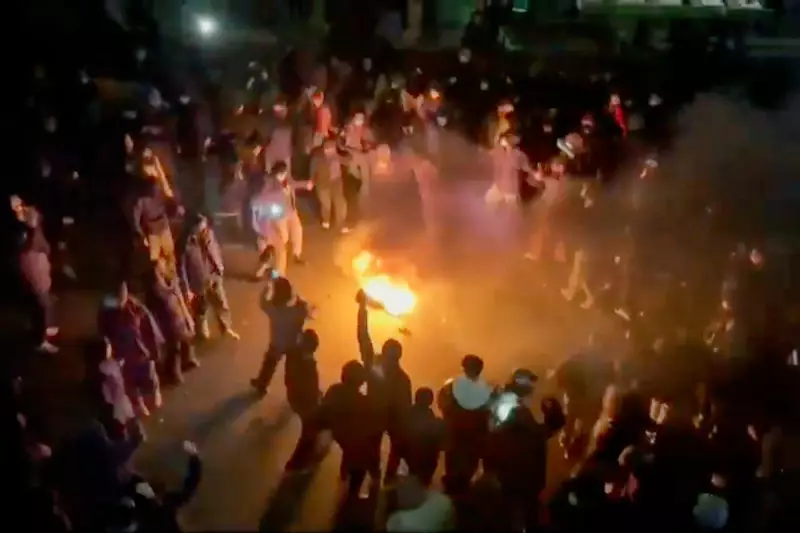
Footage from social media, dated January 9, 2026, shows the resilience of protesters in Tehran. In the video, people are seen dancing and cheering around a bonfire in the streets, demonstrating continued defiance despite what observers describe as an intensifying crackdown by authorities.

Isolation and Intensified Crackdown
The protests are occurring as the Islamic Republic remains largely cut off from the global community, facing significant international sanctions and diplomatic isolation. This internal and external pressure seems to have fueled both the public's discontent and the government's harsh response.
Activists and international human rights organizations have long condemned the use of forced confessions, arguing they violate fundamental legal principles and the rights of the accused. The reported number—97 separate instances—suggests a widespread and coordinated effort to use state media as an arm of repression.
Broader Implications for Human Rights
This latest accusation adds to a well-documented history of human rights concerns in Iran. The method of extracting televised confessions undermines any semblance of a fair judicial process and places detainees at severe risk. The report will likely increase calls from the international community for independent investigations and accountability.
The situation presents a stark contrast: as citizens gather in acts of public protest, the state responds with broadcasts aimed at silencing them. The outcome of this struggle remains uncertain, but the activists' report sheds critical light on the methods being employed behind the scenes of the visible crackdown.