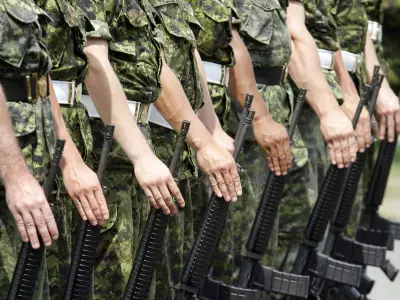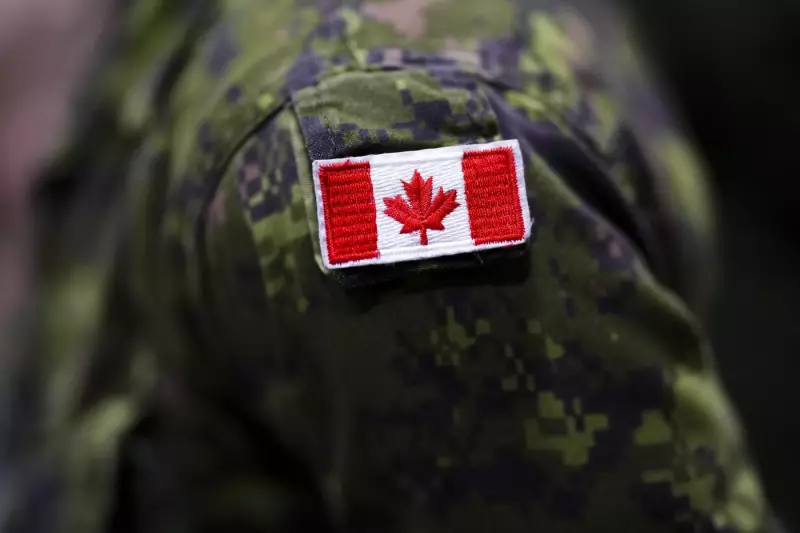
A member of the Canadian Armed Forces (CAF), arrested on serious allegations related to foreign interference, has been released from custody under court-imposed conditions. The arrest, which occurred recently, underscores the persistent vigilance of Canadian security agencies against external threats to national sovereignty.
Details of the Arrest and Release
The officer, whose identity and specific rank have not been publicly disclosed pending further investigation, was taken into custody by authorities. The arrest is connected to allegations of activities constituting foreign interference, a grave concern for Canada's security apparatus. Following a court appearance, the individual was released into custody on December 15, 2025. The release is conditional, meaning the officer must adhere to strict bail conditions set by the court while the legal process continues.
This development follows a period of heightened focus on foreign state actors attempting to influence Canadian institutions and gather sensitive information. The Canadian Armed Forces, as a pillar of national defence, is a particularly sensitive target for such activities.

Context and National Security Implications
The case brings the issue of foreign interference directly into the realm of military security. It raises immediate questions about potential breaches, the scope of the alleged activities, and the protocols in place to prevent such incidents. Military personnel have access to classified information and strategic operational details, making any compromise a significant national security event.
Canadian security and intelligence services have been increasingly public about the threats posed by hostile foreign states. This arrest demonstrates their active operational role in investigating and countering these threats from within critical institutions like the Canadian Armed Forces.
Next Steps and Ongoing Process
With the officer now released under conditions, the focus shifts to the judicial process. The investigation led by relevant security and police forces remains active. Charges have not been formally detailed publicly, but the framing of the case around foreign interference suggests violations of security or secrecy laws.
The Department of National Defence and the CAF will likely conduct an internal review alongside the criminal investigation. This will aim to ascertain any potential vulnerabilities in security clearances or information handling that may have been exploited. The outcome of this case will be closely watched for its implications on military discipline and Canada's broader counter-interference strategies.
This incident serves as a stark reminder of the complex and ongoing challenge of safeguarding national security in an era of global geopolitical tensions.