Canada and NATO Could Be Tasked with Reopening Strait of Hormuz, Peter MacKay Indicates
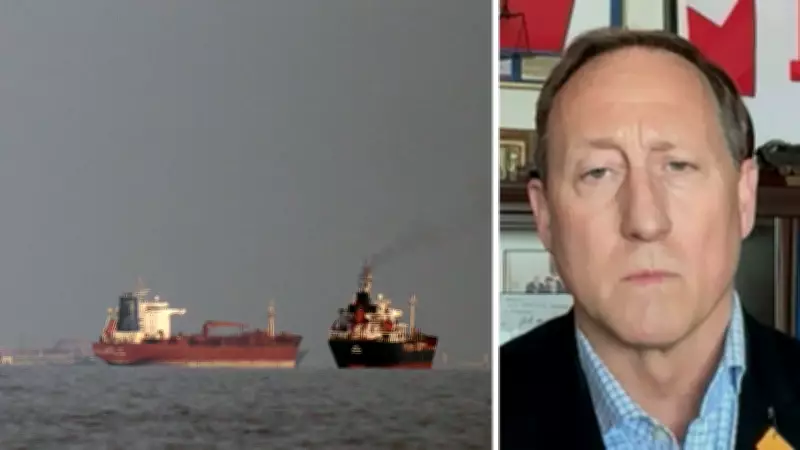
Former Canadian Foreign Affairs Minister Peter MacKay has stated that Canada and other NATO member nations might receive requests to assist in reopening the strategically crucial Strait of Hormuz. In recent comments, MacKay expressed skepticism regarding the effectiveness of imposing sanctions against Iran as a primary strategy to resolve the blockade and ensure the free flow of maritime traffic through this vital waterway.
Sanctions Deemed Ineffective by Former Minister
Peter MacKay, who served as Canada's foreign affairs minister from 2007 to 2015, emphasized that relying solely on economic sanctions against Iran may not achieve the desired outcome of reopening the strait. The Strait of Hormuz is a narrow channel linking the Persian Gulf with the Gulf of Oman and the Arabian Sea, through which approximately one-fifth of the world's oil shipments pass. Any disruption poses significant risks to global energy markets and economic stability.
"Sanctions alone are unlikely to compel Iran to reopen the strait if it chooses to maintain a blockade," MacKay noted. "This situation may necessitate a coordinated international response, potentially involving NATO allies, to ensure safe passage and uphold international maritime law."

Potential for NATO Involvement
The prospect of NATO involvement underscores the geopolitical significance of the Strait of Hormuz. As a key member of the alliance, Canada could be called upon to contribute naval assets or diplomatic support in efforts to de-escalate tensions and restore access. MacKay's remarks highlight the complex interplay between diplomatic measures and military preparedness in addressing such international crises.
Historical context shows that the strait has been a flashpoint for regional conflicts, with Iran previously threatening to close it in response to sanctions or military actions. A closure could trigger a sharp increase in oil prices, impacting economies worldwide, including Canada's energy sector.
Broader Implications for Canada and Global Security
MacKay's insights come amid ongoing discussions about Canada's role in global security and its commitments to NATO. The potential request for assistance reflects:
- The importance of multilateral cooperation in addressing international disputes.
- Canada's strategic interests in maintaining stable energy markets.
- The need for balanced approaches combining diplomacy and defense capabilities.
While no formal requests have been announced, MacKay's statements signal that policymakers are considering various options to address the blockade. The situation remains fluid, with developments likely to influence Canada's foreign policy and its engagements with allies in the coming months.