Canada Launches Proactive Foreign Military Recruitment Program to Bolster Forces
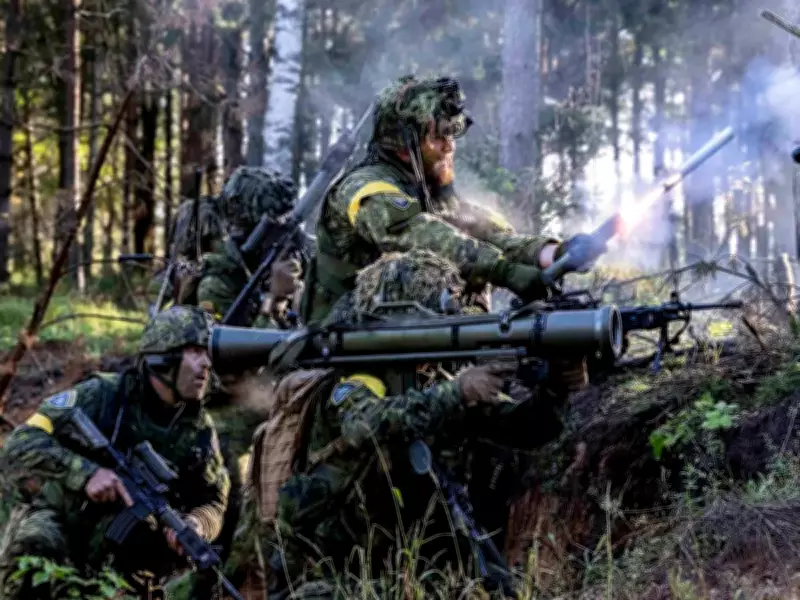
The Canadian government has announced a bold new strategy to strengthen the Canadian Armed Forces by actively recruiting skilled personnel from foreign militaries. Immigration Minister Lena Metlege Diab unveiled the initiative on Wednesday, emphasizing a shift from passive waiting to proactive global outreach.
"We're not waiting for the right people to find us. We will go out into the world to recruit the people our country needs," Minister Diab declared during the announcement. The program specifically targets professionals including doctors, nurses, and pilots who have military experience in other nations.
Strategic Recruitment for Enhanced Capabilities
The new recruitment category represents a significant departure from traditional military hiring practices. According to Diab, "This new category will support our government's commitment to strengthen our armed forces, to defend our sovereignty and to keep Canadians safe." The initiative comes at a time when Prime Minister Justin Trudeau has described the global security environment as increasingly dangerous, with the U.S.-led rules-based international order facing significant challenges.

Paul T. Mitchell, a professor at the Canadian Forces College in Toronto, noted that foreign military recruitment is "nothing new" for Canada. "There are lots of people who began their military careers in one nation and end up in Canada," Mitchell explained in an email statement. He pointed to current examples within the Canadian Forces College itself, where the deputy commandant is a former Royal Australian Air Force member and one program officer previously served in Britain's Royal Air Force.
Security Considerations and Strategic Benefits
While the program offers potential benefits, military experts have raised important considerations regarding security vetting and integration. Retired Lieutenant-General Michel Maisonneuve highlighted the security dimension, stating that proper vetting of foreign recruits is essential. "These people—you have to vet them properly," Maisonneuve cautioned. "To bring Canadians into our own armed forces is taking months. Is somebody going to stick with it who's coming from outside?"
Military analyst Ken Hansen, a former Royal Canadian Navy commander, suggested that acceptance criteria should vary based on country of origin and experience level. "If they're coming from Sweden and the United States, and Australia, then fine. They're familiar with our system of operation," Hansen noted. "But if they're coming from a third world country or China or North Korea, I would say that they should weed those fellows out."
Experience Acquisition Versus Development
Professor Mitchell emphasized the strategic value of recruiting experienced personnel rather than developing expertise internally. "The value of such recruitment is that you can bring in experience at the right level, rather than having to develop it yourself," he explained. However, he cautioned against recruiting civilian professionals directly into middle management positions without proper military foundational training.
Mitchell also noted historical precedents where Canada has both benefited from and been impacted by international military recruitment. He revealed that "the Aussies relentlessly recruited experienced Canadian submariners to the point that we ultimately cancelled some of our cooperation with Australia in this area because of the drain on personnel." This example illustrates how military recruitment can function as a two-way street in the global defense community.
Implementation and Future Outlook
The new program represents Ottawa's commitment to taking proactive measures to safeguard Canadian security interests. By targeting specific skill sets within foreign militaries, the government aims to address capability gaps more efficiently than through traditional domestic recruitment and training pipelines.

As Canada moves forward with this initiative, balancing security considerations with the strategic benefits of acquiring experienced military professionals will be crucial. The program's success will depend on effective vetting processes, careful selection of source countries, and successful integration of foreign recruits into the Canadian military structure and culture.