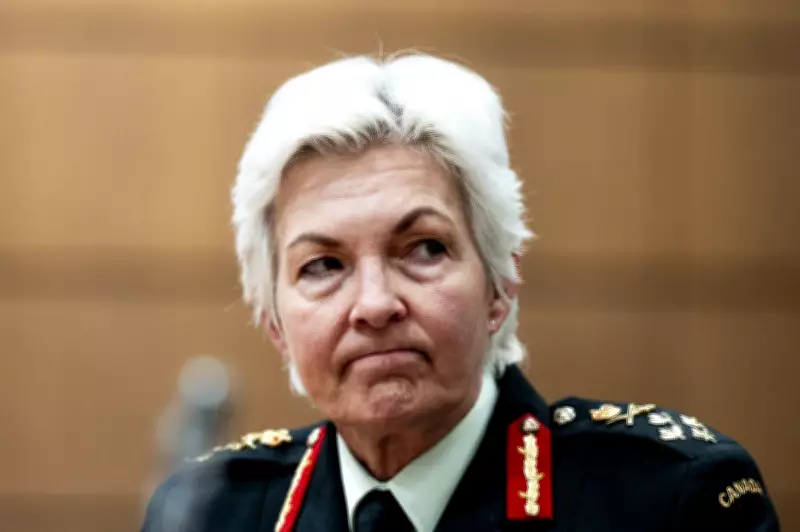
Canada's Defence Chief Signals Potential Allied Support for Gulf States After Iranian Bombings
In a significant development amid escalating Middle East tensions, Canada's defence chief has publicly indicated that allied nations may step in to provide support to Gulf states that have been targeted by Iranian bombings. This statement comes as regional conflicts intensify, raising questions about international involvement and strategic responses.
Allied Response to Iranian Aggression
The defence chief's remarks highlight a growing concern among Western nations regarding Iran's military actions in the Gulf region. While specific details of potential assistance were not disclosed, the suggestion points to coordinated efforts among allies to bolster the defence capabilities of affected states. This could include intelligence sharing, logistical support, or even direct military aid, depending on the evolving situation.
Experts note that such allied support would mark a significant escalation in international engagement with the conflict, potentially drawing more countries into the volatile region. The defence chief emphasized that any participation would be carefully considered, stating that "one can never categorically rule out participation" when discussing Canada's potential role.

Canada's Potential Contributions to Middle East Conflict
As discussions continue about possible international involvement, questions arise about what specific contributions Canada might make if it decides to participate in the Middle East conflict. Potential areas of contribution could include:
- Diplomatic efforts to de-escalate tensions
- Humanitarian aid for affected civilian populations
- Specialized military expertise in areas where Canada has demonstrated capability
- Intelligence gathering and analysis support
The situation remains fluid, with Canadian officials carefully monitoring developments while coordinating with international partners. The defence chief's comments reflect the delicate balance between showing solidarity with allies and avoiding unnecessary escalation of an already complex conflict.
Regional Context and International Reactions
The potential for allied support comes as Middle East experts caution against simplistic comparisons between different international conflicts. One expert specifically noted that "Iran is not Venezuela," highlighting the unique geopolitical challenges presented by the current situation. This distinction underscores the need for nuanced approaches to regional conflicts that account for specific historical, cultural, and strategic factors.
Meanwhile, in the United States, the Trump administration faces criticism for its handling of the situation, with some experts describing certain requests as "delusions of grandeur" and noting failures to adequately explain engagement in what has been characterized as a "tumultuous and bloody" war. These internal debates within allied nations complicate coordinated responses to Iranian actions in the Gulf.
As the situation continues to evolve, Canada's defence establishment maintains close communication with international partners while carefully assessing the risks and benefits of potential involvement. The coming weeks will likely see further clarification of allied positions and potential support mechanisms for Gulf states facing Iranian aggression.