Ottawa Maintains Secrecy on Canadian Military Presence in Middle East
As international tensions escalate in the Middle East, the Canadian government has refused to disclose the exact number of Canadian Armed Forces personnel currently deployed in the region. This lack of transparency comes amid a rapidly evolving conflict that has seen increased military actions and strategic posturing by multiple nations.
Government's Position on Military Involvement
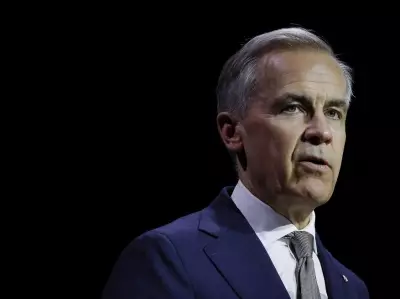
Prime Minister Mark Carney addressed the situation in Parliament, stating that Canada will stand by its allies "when it makes sense." He emphasized the country's diplomatic influence, noting that Canada and Australia hold "rare convening power" in international forums. However, Carney also cautioned that "one can never categorically rule out participation" when questioned about the possibility of Canada joining the war in Iran.
Regional Conflict Intensifies
The Middle East conflict has reached new levels of intensity with several significant developments:

- NATO ally Turkey has been targeted as hostilities expand across the region
- The United States has signaled plans for an expanded military campaign against Iran
- Former President Donald Trump has justified recent strikes against Iran as necessary to prevent nuclear threats
- Operation Epic Fury continues with U.S. officials claiming progress against terrorist organizations
Broader Implications for Canadian Foreign Policy
Analysts suggest that Carney's shifting stance on Iran may not alleviate pressure for greater Canadian entanglement in the conflict. The government's refusal to disclose troop numbers reflects a careful balancing act between demonstrating alliance solidarity and maintaining operational security. This approach comes as Canada faces increasing scrutiny over its role in global security matters.
The secrecy surrounding Canadian military deployment occurs alongside other significant international developments, including new agreements between Canada and Australia on critical minerals cooperation. These parallel initiatives highlight the multifaceted nature of Canada's foreign policy approach during times of international crisis.
As the situation continues to develop, observers note that the Canadian government's measured responses reflect both the complexity of Middle East geopolitics and domestic political considerations. The lack of specific troop numbers has raised questions about the scope and nature of Canada's military commitment to regional stability efforts.