Canadian Troops in the Middle East: A Closer Look at Their Role and Secrecy
The deployment of Canadian military personnel to the Middle East remains shrouded in a veil of operational secrecy, with only fragmented details available to the public. This lack of transparency has sparked growing curiosity and concern among citizens and analysts alike, as ongoing conflicts and geopolitical shifts continue to reshape the region. The Canadian government maintains that such secrecy is essential for national security and the safety of troops, but critics argue it limits accountability and public understanding of Canada's international military engagements.
The Scope and Nature of Canadian Military Presence
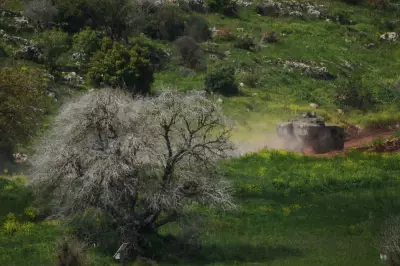
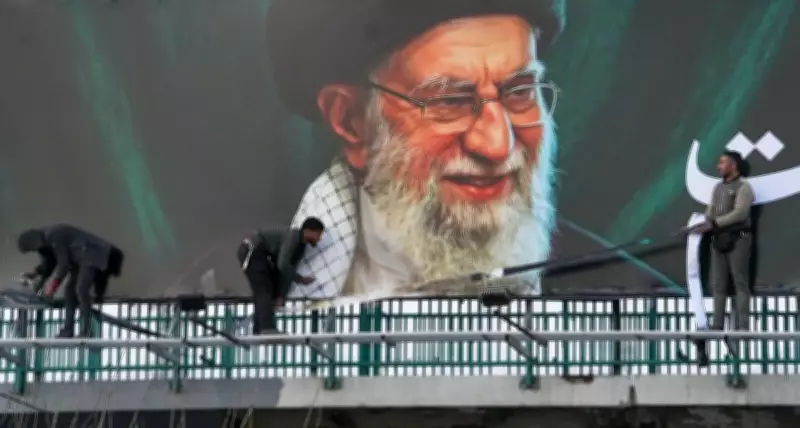
Canadian troops are stationed across various locations in the Middle East, primarily involved in training missions, counter-terrorism efforts, and support roles for allied forces. These deployments are part of broader international coalitions aimed at stabilizing volatile areas and combating extremist threats. However, specific numbers, exact locations, and detailed operational mandates are often classified, leaving a significant information gap. This opacity is compounded by the dynamic nature of regional conflicts, such as recent joint U.S.-Israeli military actions that have escalated tensions, as seen in events like the aftermath of Ayatollah Ali Khamenei's death in Iran.
Security Concerns and Operational Secrecy
The Canadian military emphasizes that operational secrecy is crucial to protect personnel from potential threats and to maintain strategic advantages. In regions where hostile actors are active, disclosing troop movements or bases could jeopardize missions and endanger lives. This rationale is supported by defense experts who point to the high-risk environment of the Middle East, where asymmetric warfare and intelligence operations are prevalent. Yet, this secrecy also raises questions about oversight, with some advocacy groups calling for more transparency to ensure that deployments align with Canadian values and international law.

Public and Political Reactions
Public awareness of Canadian troops in the Middle East is often limited to occasional media reports or government announcements, which tend to be vague. This has led to a sense of disconnect, as many Canadians are unaware of the full extent of their country's military involvement abroad. Politically, the issue intersects with debates on foreign policy and defense spending, with some lawmakers pushing for clearer communication from the Department of National Defence. The balance between national security and public right-to-know remains a contentious topic, reflecting broader discussions on government transparency in an era of global instability.
Implications for Canadian Foreign Policy
The discreet nature of these deployments underscores Canada's cautious approach to Middle Eastern conflicts, aiming to support allies while avoiding direct entanglement in contentious operations. This strategy is evident in statements from political leaders, such as Prime Minister Carney's emphasis on standing by allies "when it makes sense," highlighting a pragmatic stance. However, as regional dynamics evolve—exemplified by incidents like the exposure of Montreal police officers to toxic gas or international disputes over diplomatic expulsions—the role of Canadian troops may adapt, potentially requiring more public discourse on their long-term objectives and ethical considerations.
In summary, while Canadian troops play a significant role in Middle Eastern security efforts, the details of their missions are largely concealed from public view. This secrecy serves operational needs but also fuels ongoing debates about transparency and accountability in military affairs. As global tensions persist, understanding the full scope of Canada's military engagements will remain a critical issue for both policymakers and the public.