A citizen of China has been formally charged in the United States for the alleged act of photographing a sensitive American military installation, according to reports from CNN. The incident, which underscores persistent international security frictions, occurred at a U.S. Air Force base.
Details of the Alleged Security Breach
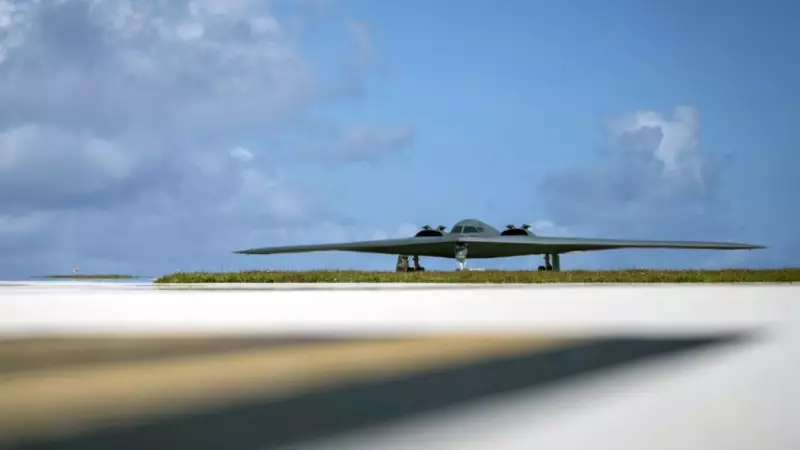
The charges were filed on January 12, 2026. While the specific base involved was not named in the initial report, the case centers on the unauthorized capture of images of a secure military facility. Such installations, like the Whiteman Air Force Base home to the B-2 Spirit stealth bomber, house advanced technology and assets critical to national defense.
Authorities have not released the individual's identity or the precise circumstances leading to the arrest. However, the act of photographing military bases without permission is typically treated as a serious matter under U.S. law, potentially falling under espionage or national security statutes.

Broader Context of International Tensions
This case emerges against a backdrop of strained relations and heightened vigilance. The report was published alongside other significant news, including Canada's stance on Chinese tariffs and a trade mission to China by Saskatchewan producers. These parallel stories illustrate the complex interplay between economic engagement and security concerns that defines current international affairs.
The charge also follows a pattern of similar incidents where individuals have been apprehended for taking pictures or gathering information near sensitive government and military sites in North America.
Legal and Diplomatic Implications
The legal proceedings against the Chinese national will be closely watched. Convictions in such cases can result in severe penalties, including lengthy prison sentences. Diplomatically, the incident has the potential to add another layer of complexity to U.S.-China relations, which are already navigating challenges in trade, technology, and geopolitical influence.
For allied nations like Canada, which maintains its own delicate diplomatic balance with China, developments in this case may inform ongoing security protocols and international policy discussions. The incident serves as a stark reminder of the enduring importance of protecting classified military assets and infrastructure in an era of global competition.