Exclusive documents obtained by WorldNewsAP reveal that Delcy Rodriguez, Venezuela's acting president, has been a person of interest to the United States Drug Enforcement Administration (DEA) for several years. The records detail sustained scrutiny by American narcotics agents, placing the high-ranking Venezuelan official firmly on their radar.
Documents Detail Sustained Surveillance
The internal DEA documents, which span multiple years, indicate a focused intelligence-gathering operation concerning Rodriguez. While the specific allegations underpinning the surveillance are detailed in the classified files, the mere existence of such a lengthy dossier on a sitting head of state is highly significant. It underscores the deep-seated concerns within U.S. law enforcement and intelligence circles regarding the Venezuelan government's activities.
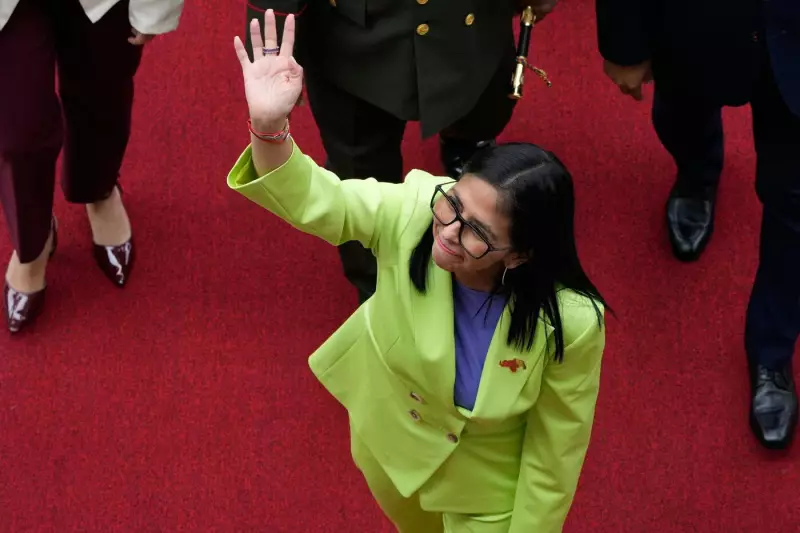
Rodriguez, a longtime loyalist to the socialist government and former vice president, assumed the role of acting president in early January 2026. She took over executive duties amid a period of intense political maneuvering within the country. Her appearance at the National Assembly in Caracas on Thursday, January 15, 2026, marked one of her first major acts in the new role, just days before this revelation came to light.

Broader Context of U.S.-Venezuela Tensions
This development occurs against a backdrop of persistently strained relations between the United States and Venezuela. The U.S. has maintained severe economic sanctions on the South American nation for years, targeting its oil industry and top officials over allegations of corruption, human rights abuses, and anti-democratic actions. The DEA's interest in Rodriguez suggests that narcotics trafficking may be a specific and serious component of Washington's concerns regarding Caracas.
Venezuela has repeatedly denied any involvement in or facilitation of drug trafficking, often accusing the United States of political persecution. The revelation of these documents is likely to further inflame diplomatic tensions and complicate any potential future negotiations between the two nations.
International Implications and Reactions
The disclosure that a sitting national leader is under investigation by a foreign law enforcement agency carries profound implications. It raises immediate questions about international diplomacy, sovereign immunity, and the potential for future legal actions. For Canada and other nations, this news reinforces the complex security challenges posed by the Venezuelan regime and may influence foreign policy decisions.
Analysts suggest the DEA documents will intensify scrutiny on Rodriguez's administration and could impact Venezuela's already isolated position on the global stage. The story broke on January 17, 2026, and reactions from governments worldwide are anticipated in the coming days as they assess the information's credibility and its consequences for bilateral relations.