Ecuador and U.S. Forge Alliance in Anti-Drug Operations
In a decisive move to combat the escalating threat of drug trafficking, Ecuador has officially launched joint anti-drug operations with the United States. This strategic partnership aims to enhance cross-border cooperation and intelligence-sharing to dismantle organized crime networks that have been exploiting regional vulnerabilities.
Strengthening Regional Security
The collaboration comes at a critical time as Ecuador faces increasing challenges from narcotics cartels that operate across international boundaries. By aligning with U.S. agencies, Ecuador seeks to leverage advanced resources and expertise in surveillance, interdiction, and law enforcement tactics. This initiative is expected to bolster efforts in tracking and seizing illicit drug shipments, thereby disrupting the supply chains that fuel addiction and violence.
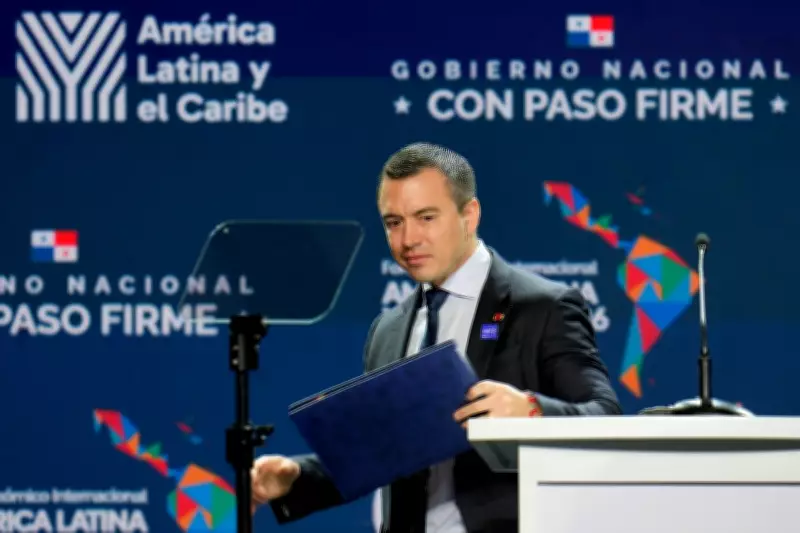
President Daniel Noboa, who has been actively involved in regional economic forums, emphasized the importance of this alliance in safeguarding national security and promoting stability. The operations will focus on key trafficking routes and hotspots, utilizing joint task forces to conduct targeted raids and investigations.

Implications for Global Drug Policy
This joint effort underscores a growing trend of international cooperation in addressing the complex issue of drug trafficking. It highlights the shared responsibility of nations in curbing the flow of illegal substances that have devastating social and economic impacts. The partnership may serve as a model for other countries grappling with similar challenges, encouraging a unified approach to law enforcement and public health strategies.
As these operations unfold, authorities anticipate a significant reduction in drug-related crimes and an improvement in community safety. The success of this collaboration could pave the way for expanded initiatives, including capacity-building programs and technological exchanges to further enhance anti-drug capabilities.