Legal Experts Cast Doubt on Legality of Trump's Military Strikes Against Iran
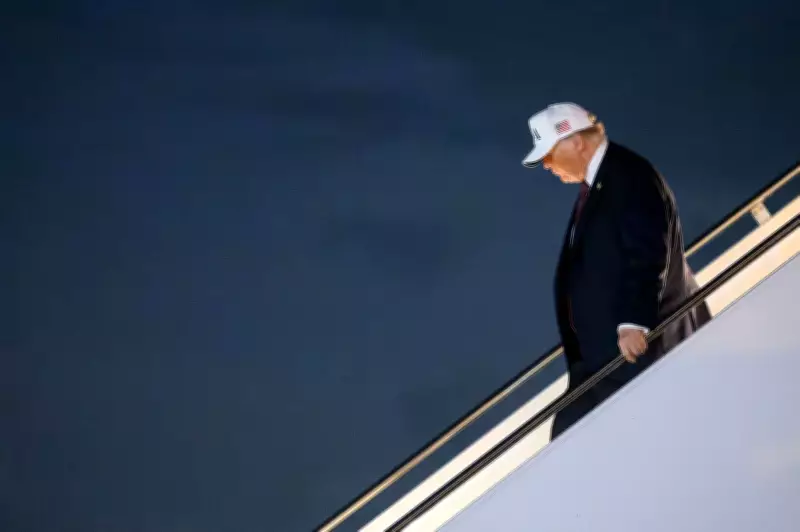
International law specialists are raising serious questions about the legal basis for recent U.S. military strikes against Iran, ordered by President Donald Trump. The actions, which have sparked global apprehension, are under scrutiny for potentially violating established norms of international conduct.
Growing Skepticism Among Legal Authorities
Numerous experts in international law have voiced skepticism regarding the justification provided for the strikes. They argue that without clear evidence of an imminent threat or authorization from the United Nations Security Council, such military interventions may lack legal standing under international law frameworks.
The strikes have intensified fears of a broader regional conflict, with world leaders reacting cautiously to the escalating tensions. This situation underscores the delicate balance between national security interests and adherence to global legal standards.

Context of Rising Global Tensions
The military actions come amid a volatile period in U.S.-Iran relations, marked by heightened rhetoric and previous confrontations. Analysts note that the legality of such strikes often hinges on principles of self-defense or collective security, areas where current justifications appear thin to many observers.
International reactions have been mixed, with some allies expressing support while others call for restraint and diplomatic solutions. The uncertainty surrounding the legal grounds adds complexity to an already tense geopolitical landscape.
Implications for International Law and Diplomacy
This episode highlights ongoing debates about the enforcement and interpretation of international law in an era of unilateral actions. Legal scholars emphasize that consistent application of these laws is crucial for maintaining global order and preventing unchecked military engagements.
As discussions continue, the focus remains on whether the strikes will set a precedent for future conflicts or prompt a reevaluation of legal boundaries in international relations. The outcome could influence how nations justify military interventions in the years to come.