FBI Alerted State and Local Law Enforcement to Heightened Iranian Threat in March
In a confidential intelligence report dated March 20, the FBI and other federal agencies warned U.S. state and local law enforcement of an elevated threat posed by Iran's government to targets within the United States. This warning came even as the White House sought to minimize the likelihood of such attacks, according to the document reviewed by Reuters.
Details of the Threat Assessment
The report, titled "Public Safety Awareness Report," cautioned that the Iranian government "poses a persistent threat" to specific entities in the U.S. These include military and government personnel and buildings, Jewish and Israeli institutions, and Iranian dissidents residing in the country. Despite these targeted warnings, the FBI and National Counterterrorism Center noted they had not identified broad threats to the general American public at that time.
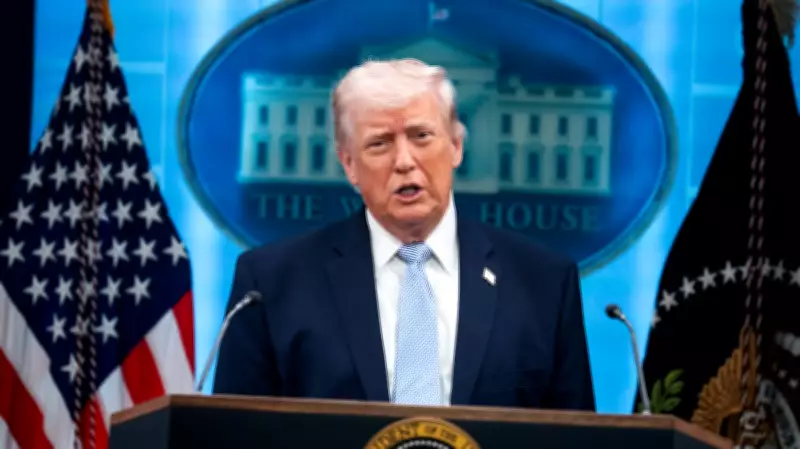
President Donald Trump publicly downplayed the possibility of Iranian attacks on American soil in response to other intelligence assessments in recent months. When questioned outside the White House on March 11 about concerns over Iran perpetrating an attack in the U.S., Trump responded, "No, I'm not." This stance contrasted with the FBI's internal alerts, highlighting a divergence in public and private security messaging.

Escalating Rhetoric and Public Perception
The Republican president escalated his rhetoric around the conflict this week, stating on Tuesday that "a whole civilization will die tonight" if Iran did not meet his demands, though he later delayed the threatened assault by two weeks. This aggressive posture occurred against a backdrop of public opposition to the war. A Reuters/Ipsos poll last month found that two-thirds of Americans hold negative views of the conflict and believe the U.S. should end its involvement quickly, making the perception of any threat particularly relevant.
White House spokeswoman Abigail Jackson defended the administration's approach in a statement, saying, "The entire Trump administration is working together to protect the homeland and the American people – as they always do. Media outlets should not attempt to irresponsibly sow fear by reporting on individual law enforcement memorandums that may lack broader context." The FBI and NCTC did not immediately respond to requests for comment, and Ali Karimi Magham, a spokesperson for the Iranian mission to the United Nations, declined to comment.
Methodologies and Historical Context of Iranian Threats
The March 20 report, obtained through open records requests by the national security transparency nonprofit Property of the People and shared with Reuters, highlighted "the potential for elevated physical threats" to U.S. targets following the start of the conflict. It noted that violent extremists with various ideological backgrounds, including those opposing the U.S. or Israel, might see the conflict as a justification for violence.
According to the document, Iranian security services have attempted to kidnap and kill Americans in recent years. While most plots in the U.S. have involved firearms, other methods have included stabbings, vehicle rammings, bombings, poisoning, strangling, suffocation, and arson. Tehran prefers to use operatives with existing U.S. legal status or access to the country, and has monitored social media, livestreams, and map applications to select targets and assess security measures. The report also mentioned hacking tactics such as phishing emails and attempts to lure victims to countries closer to Iran for kidnapping and eventual executions.
The FBI urged law enforcement officials to remain vigilant to possible threats and to share concerning information with federal authorities, emphasizing the ongoing nature of the risk despite public reassurances from the White House.