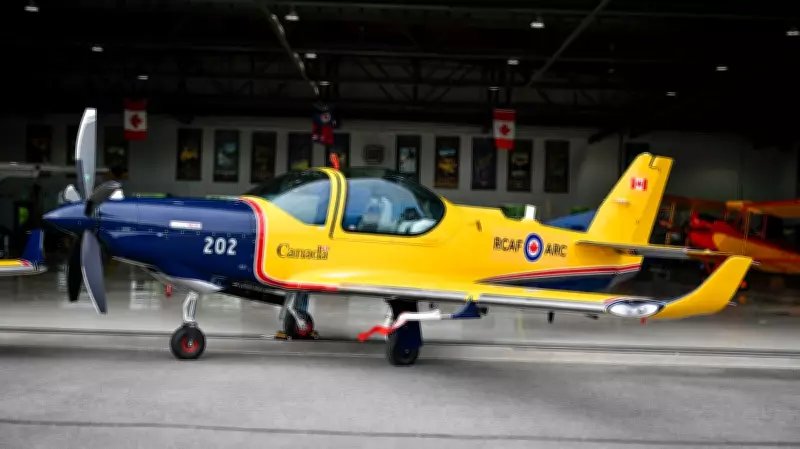
15 Wing Moose Jaw Celebrates First Flight of Future RCAF Trainer Aircraft
The Royal Canadian Air Force (RCAF) has achieved a significant milestone in its pilot training modernization efforts with the successful first flight of the CT-102B Astra II training aircraft at 15 Wing Moose Jaw in Saskatchewan. This event, celebrated on April 20, 2026, marks a pivotal step forward in replacing the RCAF's current fleet of aging training aircraft with a new generation of advanced platforms designed to prepare future pilots for modern combat environments.
A New Era in Military Aviation Training
The CT-102B Astra II is specifically engineered to serve as the primary trainer for RCAF pilots, featuring enhanced avionics, improved fuel efficiency, and superior handling characteristics compared to its predecessors. This aircraft will form the backbone of the RCAF's training program, with a planned fleet of 23 units all based at 15 Wing Moose Jaw. The strategic decision to centralize the training fleet at this location leverages the base's extensive infrastructure and experienced personnel, ensuring optimal operational efficiency and maintenance support.
Strategic Importance for Canadian Defense
This acquisition represents a substantial investment in Canada's national defense capabilities, addressing the critical need for modern training aircraft that can adequately prepare pilots for the complexities of contemporary air operations. The CT-102B Astra II's advanced systems will enable trainees to develop essential skills in navigation, communication, and tactical maneuvers, bridging the gap between basic flight instruction and operational aircraft. The successful first flight demonstrates the aircraft's airworthiness and paves the way for comprehensive testing and evaluation phases before full integration into the training curriculum.

Economic and Operational Benefits
The deployment of the new trainer fleet at 15 Wing Moose Jaw is expected to generate positive economic impacts for the surrounding region, supporting local businesses and creating employment opportunities in aviation maintenance and support services. Operationally, the CT-102B Astra II offers increased reliability and reduced maintenance requirements compared to older models, which will enhance training availability and reduce downtime. This modernization initiative aligns with broader RCAF efforts to maintain a high state of readiness and adapt to evolving global security challenges.
Future Implications and Next Steps
Following the successful first flight, the CT-102B Astra II will undergo rigorous testing to validate its performance across various flight conditions and training scenarios. Once certified, the aircraft will gradually phase out the existing trainer fleet, with full operational capability expected within the next few years. This transition will ensure that RCAF pilots receive world-class training on equipment that mirrors the capabilities of frontline combat aircraft, ultimately strengthening Canada's air defense posture and contributing to international security partnerships.