U.S. Defense Secretary Pete Hegseth has publicly censured Senator Mark Kelly, a Democrat from Arizona, following the release of a video by Democratic lawmakers. The video in question urged American military personnel to resist any orders they deem unlawful.
A Clash Over Military Authority and Civilian Oversight
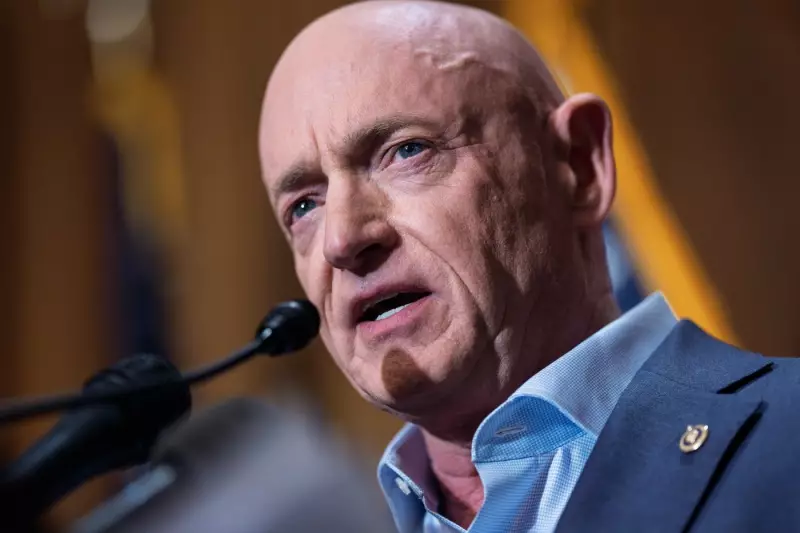
The confrontation stems from a broader political dispute involving military operations. Senator Mark Kelly had previously expressed significant concerns about U.S. military strikes targeting vessels suspected of drug smuggling in the Caribbean. He articulated these worries during a news conference at the Capitol in Washington on December 1, 2025.
Following his public statements, Kelly refuted what he characterized as efforts by President Donald Trump and Defense Secretary Hegseth to intimidate him. The situation escalated when Democratic figures circulated a video message directed at service members, advising them on their duty to disobey commands that violate the law.

Hegseth's Firm Rebuttal and the Core Dispute
In response, Secretary Hegseth issued a formal censure of Senator Kelly. The Defense Secretary's rebuke centers on the principle of the chain of command and the potential for political messaging to undermine military discipline. Hegseth's position asserts that such direct appeals to the rank and file, bypassing the established command structure, are inappropriate and could erode good order.
The underlying tension touches on the complex balance between civilian oversight of the military and the operational authority of the Defense Department. Kelly's initial critique focused on the legality and scope of anti-narcotics operations in the Caribbean, a region of strategic importance. The subsequent video from his Democratic colleagues broadened the debate into the realm of individual service members' responsibilities.
Broader Implications for Civil-Military Relations
This public spat between a senior Pentagon official and a sitting senator highlights deepening fissures in Washington regarding national security policy. The exchange raises questions about the appropriate channels for legislative branch oversight of military actions and the protocols for addressing grievances about potential unlawful orders.
Analysts suggest the incident could have a chilling effect on future congressional scrutiny of defense operations. It also places military personnel in a difficult position, caught between their oath to the Constitution, their duty to follow lawful orders, and political directives from civilian leaders. The outcome of this dispute may set a precedent for how similar conflicts between elected officials and the defense establishment are handled in the future.