New Details Emerge on High-Risk U.S. Rescue Mission for Downed F-15 Crew in Iran
U.S. military forces executed an exceptionally perilous operation to recover the pilot and weapon systems officer from an F-15 fighter jet, marking the first crewed American warplane shot down over Iranian territory in more than five weeks of ongoing combat. The mission, described by officials as "incredibly dangerous," involved a massive deployment of resources and personnel facing intense hostile fire.
Trump's Account of the Incident
Former President Donald Trump revealed that the F-15 was struck by a shoulder-fired heat-seeking missile, forcing the two-person crew to eject and land in separate locations within Iran on Friday morning local time. "I immediately was asked to make a decision," Trump stated during a news conference. "I ordered the U.S. armed forces to do whatever was necessary to bring our brave warriors back home."
This declaration came despite Trump's previous assertion that U.S.-Israeli operations had left Iran without anti-aircraft equipment or radars. Contrary to that claim, Iranian forces successfully downed the F-15 and inflicted significant damage on another aircraft during the subsequent rescue attempt.

Scale and Execution of the Rescue Operation
The recovery mission mobilized an extensive force, including:
- More than 170 American aircraft
- Approximately 200 troops
- Support from the Central Intelligence Agency
- A-10 ground attack aircraft for close combat support
- Multiple rescue helicopters
General Dan Caine, the top U.S. military officer, explained that these forces "audaciously penetrated enemy territory in broad daylight to find, fix and recover" the pilot. More than 20 military aircraft were specifically dispatched to locate the F-15 pilot, flying directly over Iran while enduring substantial enemy fire.
Challenges and Casualties During the Mission
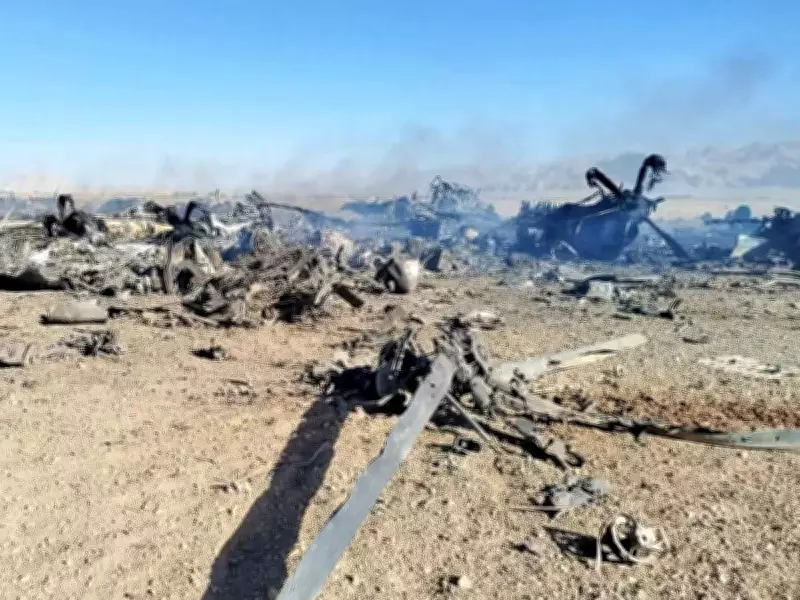
The rescue helicopters that retrieved the pilot immediately came under attack. "Engaged by every single person in Iran who had a small arms weapon," according to General Caine. One helicopter sustained hits, resulting in minor injuries to the crew, though all personnel are expected to recover fully.
U.S. A-10 ground attack aircraft played a crucial role in "violently suppressing and engaging the enemy in a close-in gunfight" to protect the downed pilot from Iranian forces. One A-10 was struck by enemy fire but continued fighting until the pilot determined the aircraft was no longer airworthy. The pilot then ejected over friendly territory and was safely recovered.
The Search for the Second Crew Member
Locating the weapon systems officer presented a distinct challenge. CIA Director John Ratcliffe compared the search to "hunting for a single grain of sand in the middle of a desert." The CIA implemented a deception campaign to misdirect Iranian forces who were simultaneously searching for the American airmen.
"This was a race against the clock," Ratcliffe emphasized, "as it was critical that we locate the downed aviator as quickly as possible, while at the same time keeping our enemies misdirected." Washington successfully located the second crew member by Saturday morning, though specific details about the deception tactics remain classified.
The operation represents one of the most complex and hazardous rescue missions conducted by U.S. forces in recent years, highlighting the ongoing tensions and military engagements between the United States and Iran.