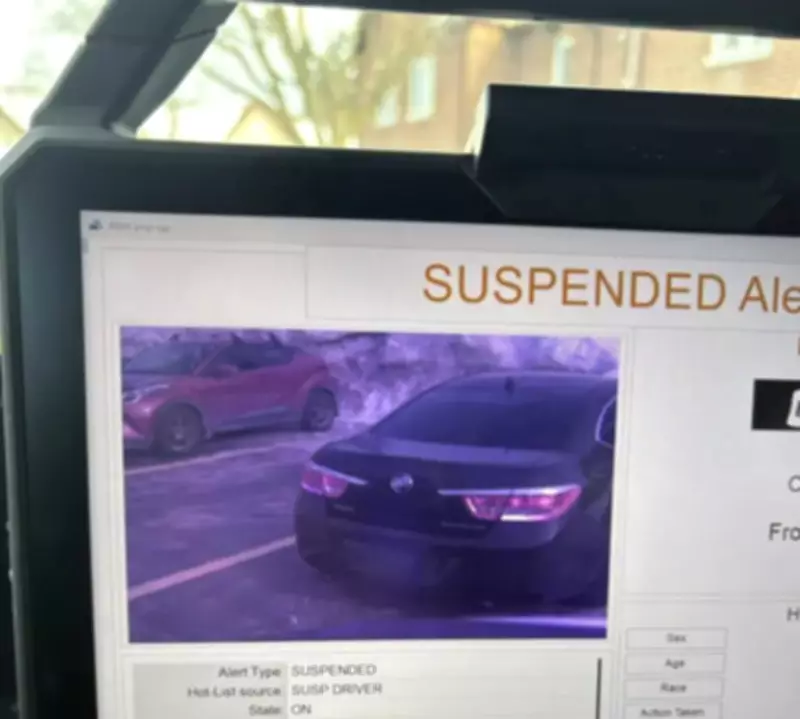
How Automated Licence Plate Scanners Instantly Identify Suspended Drivers
In a significant advancement for traffic enforcement, Automated Licence Plate Recognition (ALPR) systems are now capable of rapidly flagging drivers with suspended licences during routine patrols. This technology, demonstrated by Barrie Police in a recent occurrence on March 2, 2026, allows officers to scan licence plates in real-time and cross-reference them with databases to identify violations immediately.
The Technology Behind Instant Detection
ALPR devices utilize high-speed cameras and optical character recognition software to capture and read licence plates from moving or stationary vehicles. Once a plate is scanned, the system automatically checks it against provincial and national databases, including records of suspended licences, outstanding warrants, and stolen vehicles. This process occurs within seconds, enabling police to take prompt action without manual data entry.
The efficiency of this system lies in its integration with real-time data networks, which are continuously updated with information from licensing authorities. When a driver's licence is suspended due to offenses such as impaired driving, excessive speeding, or unpaid fines, this status is immediately reflected in the database. As a result, ALPR scanners can detect these drivers the moment they hit the road, even if they are not actively being pulled over for a traffic violation.

Enhancing Road Safety and Enforcement
By quickly identifying suspended drivers, ALPR technology helps police prevent potentially dangerous situations on the roads. Drivers with suspended licences often pose a higher risk, as their suspensions may stem from previous reckless behavior or legal infractions. The ability to flag these individuals in real-time allows officers to intervene before accidents occur, contributing to overall public safety.
This proactive approach is particularly valuable in urban areas like Barrie, where traffic density can complicate traditional enforcement methods. ALPR systems can scan multiple plates per minute, covering a broader area than manual checks and increasing the likelihood of catching offenders who might otherwise go unnoticed.
Legal and Privacy Considerations
While ALPR technology offers clear benefits for law enforcement, it also raises important questions about privacy and data usage. Police agencies must adhere to strict guidelines regarding how licence plate data is collected, stored, and shared. In Ontario, for example, policies typically limit data retention to specific periods and require audits to prevent misuse.
Advocates argue that the public safety advantages outweigh privacy concerns, especially when the technology is used transparently and responsibly. However, ongoing discussions about balancing enforcement needs with individual rights continue to shape the deployment of ALPR systems across Canada.
As this technology evolves, its role in traffic management is expected to expand, potentially integrating with other smart city initiatives to further improve road safety and compliance.