Iran Launches New Attacks, Vows Revenge for U.S. Sinking Warship
In a significant escalation of Middle East tensions, Iran has initiated new military attacks, directly warning the United States that it will "bitterly regret" the sinking of an Iranian warship. The Iranian government has issued a stark call for retaliation, explicitly demanding "Trump's blood," referencing former U.S. President Donald Trump, whom they hold responsible for the aggressive action.
Conflict Expands with NATO Ally Targeted
The situation has rapidly deteriorated, with the conflict now impacting NATO member Turkey, which has reportedly been targeted in recent strikes. This development raises serious concerns about a broader regional war, potentially drawing in more international actors. U.S. officials have signaled plans for an expanded military campaign against Iran, codenamed 'Operation Epic Fury,' with Defense Secretary Leavitt stating that "killing these brutal terrorists is good for America."
Political and Military Justifications
Former President Trump has publicly defended the decision to strike Iran, asserting the action was necessary to stop a nuclear threat from what he described as "a nation that's out of control." However, the rationale has faced scrutiny, as Secretary Leavitt declined to clarify specific reasons when questioned directly about why the U.S. went to war.

International Response and Canadian Position
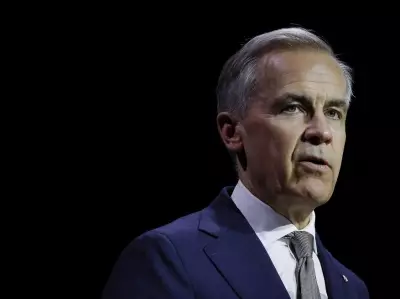
The international community is watching closely. In a parliamentary address, Canadian Prime Minister Carney indicated that while Canada will stand by its allies "when it makes sense," the nation's participation is not guaranteed. He notably stated, "One can never categorically rule out participation," regarding Canada potentially joining the war effort, highlighting the precarious diplomatic balance. Carney also emphasized the "rare convening power" held by Canada and Australia in global forums.
As attacks continue and rhetoric intensifies, the Middle East faces one of its most volatile periods in recent years. The direct threat against a former U.S. president and the targeting of a NATO ally mark a dangerous new phase, with global stability hanging in the balance. Military analysts warn that further escalation could have unpredictable and far-reaching consequences for international security and diplomacy.