Iran Closes Vital Strait of Hormuz Following Israeli Attacks in Lebanon
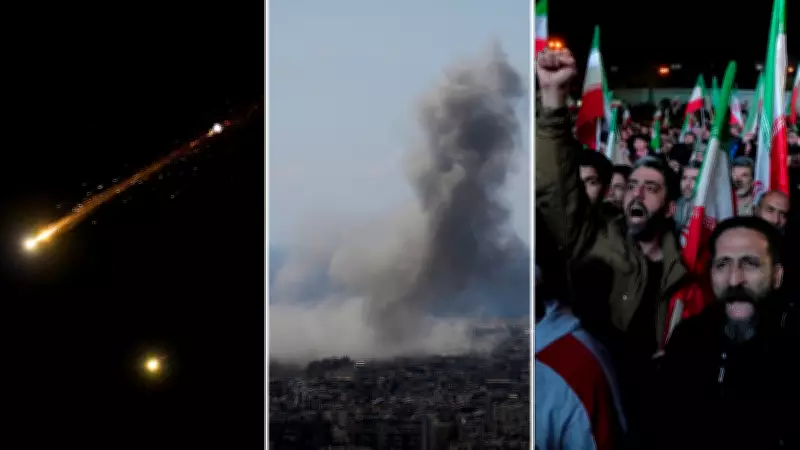
In a dramatic escalation of Middle East tensions, Iran has once again closed the strategic Strait of Hormuz. This decisive action comes as a direct response to recent Israeli military operations within Lebanon, casting serious doubt on the viability of a recently negotiated ceasefire agreement. The closure of this critical maritime chokepoint threatens to disrupt global oil supplies and heighten regional instability at a particularly volatile moment.
A Retaliatory Move Against Israeli Aggression
The Iranian government announced the closure on April 08, 2026, citing what it described as unprovoked Israeli attacks on Lebanese territory. The Strait of Hormuz is arguably the world's most important oil transit corridor, with approximately one-fifth of global petroleum consumption passing through its narrow waters. By shutting it down, Iran sends a powerful message of retaliation and demonstrates its capability to exert significant pressure on international energy markets and geopolitical dynamics.
This maneuver directly challenges the temporary peace deal that had been painstakingly brokered between the United States and Iran. Analysts suggest the closure is intended to force concessions or demonstrate resolve following the Israeli strikes, which Iran views as a breach of regional sovereignty. The timing underscores the fragile nature of the ceasefire, which was already facing scrutiny over ambiguous terms and political pressures within the United States.

Implications for Global Stability and Energy Security
The immediate consequence of Iran's action is a tangible threat to the steady flow of oil from the Persian Gulf to international markets. Such a disruption typically triggers volatility in global oil prices, affecting economies worldwide. Furthermore, this escalation risks drawing other regional actors into the conflict and could prompt military responses from nations dependent on the strait for energy security.
The situation remains fluid and highly unpredictable, with diplomatic channels working overtime to prevent a full-scale regional crisis. The closure also raises questions about the enforcement of maritime law and the potential for naval confrontations in the strategically vital waters of the Gulf.
Ceasefire Hangs in the Balance
Prior to this development, political figures had expressed cautious optimism about the U.S.-Iran temporary ceasefire. However, Iran's latest move has introduced a major obstacle to sustaining that peace. The agreement, which involved complex negotiations and was hailed by some as a diplomatic victory, now faces its most severe test. The ambiguity within the deal's terms, as noted by observers, may have provided Iran with the perceived latitude to take such a retaliatory step without immediately violating the ceasefire's letter, if not its spirit.
The international community is now watching closely to see if diplomatic efforts can de-escalate the situation and reopen the strait, or if this action will mark the beginning of a new, more dangerous phase in the long-standing Middle East conflict. The coming days will be critical in determining whether the ceasefire can survive this significant challenge or if regional tensions will spiral further.