Iran Intensifies Gulf Assaults Amid Israeli Bombardment of Tehran
Iran unleashed a new barrage of missile and drone attacks across the Gulf region on Thursday evening, targeting multiple nations and escalating tensions in an already volatile area. Simultaneously, Israel continued its aerial bombardment of Tehran, marking a significant escalation in the ongoing conflict that has drawn in approximately a dozen countries since hostilities began on February 28.
Regional Targets and Warnings
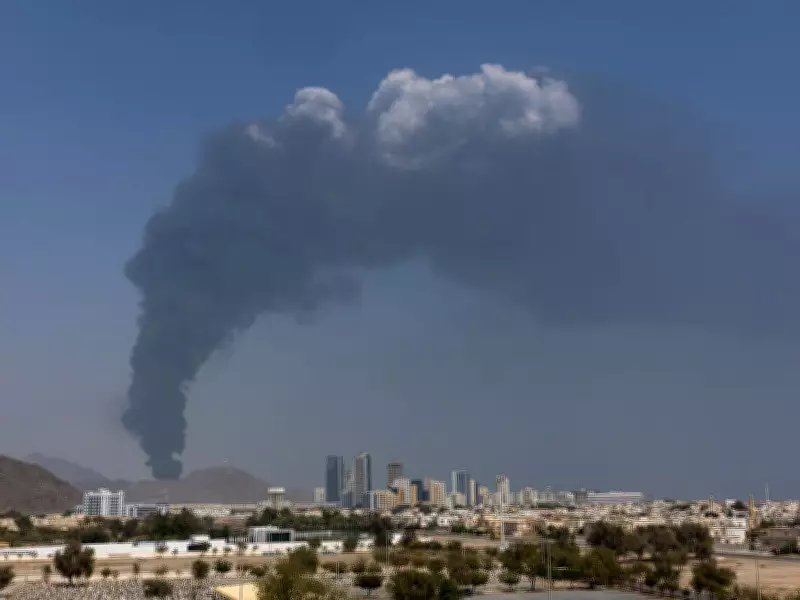
The United Arab Emirates issued urgent warnings to Dubai residents about incoming projectiles, advising them to seek immediate shelter in secure buildings. Qatar similarly instructed residents to remain indoors due to heightened threat levels. According to Iranian statements, the attacks targeted:
- U.S. forces stationed in Iraq and Kuwait
- Various locations in the U.A.E., Bahrain, and Qatar
- An oil tanker navigating the Persian Gulf
These strikes underscore the growing risks to commercial shipping in the energy-rich Persian Gulf, a critical global oil transit route.

Israeli Response and Regional Impact
Israel reported conducting its twelfth wave of airstrikes on Tehran, specifically targeting military and intelligence assets. This followed previous attacks on Hezbollah positions in Lebanon. The human toll has been substantial, with at least 1,230 fatalities reported in Iran alone, plus dozens more across the region.
The conflict's geographic reach expanded further when Azerbaijan threatened retaliation after two Iranian drones struck its territory on Thursday. Iran denied involvement in this incident through its semi-official Fars news agency.
Market Disruption and Transportation Chaos
The prospect of a prolonged conflict has sent shockwaves through global markets:
- Oil prices surged, with Brent crude climbing to approximately $84 per barrel after spiking 13% earlier in the week
- Gold prices extended gains as investors sought safe-haven assets
- A global bond selloff continued unabated, with the 10-year Treasury yield rising for a fourth consecutive day
Air travel has been severely disrupted, with over 23,000 flights canceled to Middle Eastern hubs since fighting began. Thousands of passengers remain stranded throughout the Gulf region as airlines struggle to maintain operations.
Political Developments and Leadership Vacuum
Iran faces internal uncertainty following the assassination of Supreme Leader Ayatollah Ali Khamenei over the weekend. The country has yet to appoint a successor, though Iranian media reported a decision would be made "as soon as possible."
Former U.S. President Donald Trump inserted himself into the leadership discussion, suggesting through an Axios interview that he should be involved in selecting Khamenei's successor. Trump had previously rated the Iran war as "15 out of 10" and claimed Iranian leaders were "rapidly" being eliminated.
Military Escalation and Retaliation Threats
Iran's Islamic Revolutionary Guard Corps warned through the Nour news agency that retaliatory attacks would intensify in coming days. This threat follows Iran's pledge to respond to the sinking of a warship off the coast of Sri Lanka—an incident that marked the first time since World War II that an American submarine attacked a surface vessel.
The conflict's expansion has created a dangerous regional dynamic, with U.S. and Israeli forces continuing their campaign while Iran and its proxies demonstrate their ability to strike across multiple fronts. As diplomatic solutions remain elusive, the humanitarian and economic consequences continue to mount throughout the Middle East.