Iran has once again extended a significant order closing its national airspace to commercial aircraft, a move underscoring the persistently high tensions in the region. The decision, reported on January 14, 2026, continues to disrupt international flight paths and comes amid a complex backdrop of internal unrest and external geopolitical pressures.
Regional Tensions Prompt Prolonged Shutdown
The extension of the airspace closure is a direct response to the unstable security situation. This action effectively grounds commercial flights over Iranian territory, forcing airlines to reroute, which increases flight times and operational costs. The initial closure and its subsequent renewals are closely watched by global aviation authorities and governments assessing risk in the Middle East.
In a related development, the United States has issued a stark advisory, urging its citizens to leave Iran immediately. This warning reflects grave concerns for the safety of Americans within the country, hinting at the potential for a rapid escalation in hostilities. The advisory has sparked widespread discussion about the possibility of U.S. military action, though experts remain divided on its likelihood.

Crackdown on Protests and Judicial Threats
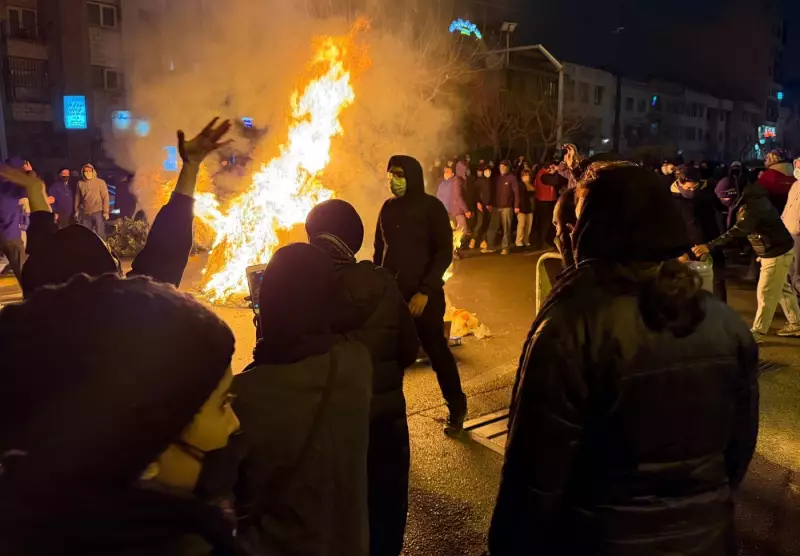
Simultaneously, Iran faces severe internal turmoil. The nation's top judicial official has issued a threatening statement, promising fast-track trials and executions for protesters detained during the recent waves of demonstrations. This hardline stance aims to quell dissent but has drawn condemnation from international observers and former officials.
A former Iranian justice minister starkly characterized the government's response, stating, 'What we are witnessing is unprecedented mass murder in Iran.' The partial restoration of phone service in the country has allowed more horrific details of the crackdown to reach the outside world, as referenced in emerging news reports.
International Reactions and Political Commentary
The situation has elicited reactions from global political figures. Former U.S. President Donald Trump has been noted for siding with the demonstrators, with commentator Haas calling it the 'right thing' to do. However, a former envoy expressed skepticism about the viability of Trump walking back previous comments on Iran, questioning the strategic coherence of such a move.
The extended airspace closure, combined with the internal crackdown and international warnings, paints a picture of a nation at a critical crossroads. The primary facts remain: the airspace is closed indefinitely, U.S. citizens are advised to depart, and the Iranian government continues its severe suppression of protest movements. The world watches closely as these intertwined crises continue to unfold, with significant implications for regional stability and international relations.