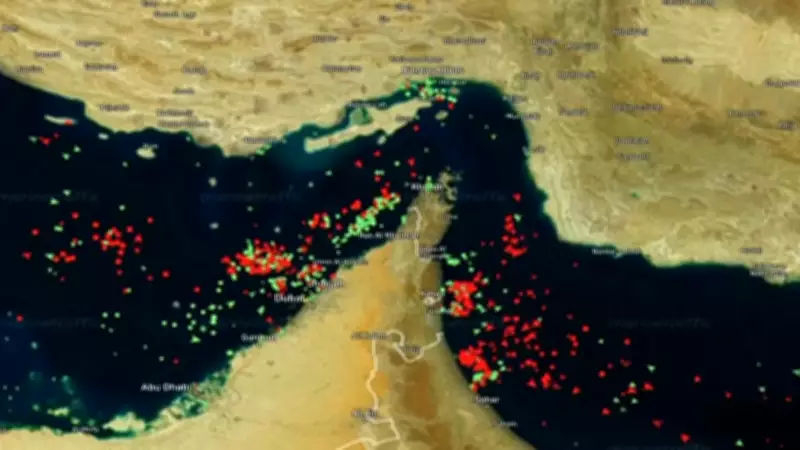
Iranian Forces Target Commercial Shipping in Strait of Hormuz Amid Ceasefire Extension
In a significant escalation of tensions in the Middle East, Iranian military forces fired upon three commercial ships navigating the critical Strait of Hormuz on April 22, 2026. This aggressive action occurred concurrently with former U.S. President Donald Trump announcing an indefinite extension of a ceasefire with Iran, pending the submission of a unified proposal from the Iranian government.
Details of the Maritime Incident
The attacks took place in the early morning hours, with Iranian vessels reportedly using warning shots and direct fire against the ships, which were transiting one of the world's most vital oil chokepoints. No casualties have been confirmed, but the incident has raised immediate concerns about regional security and the safety of international maritime traffic. The Strait of Hormuz is a narrow passage connecting the Persian Gulf to the open ocean, through which approximately one-fifth of the global oil supply passes daily.
Trump's Ceasefire Decision and Political Context
Former President Trump, who has been vocal about his reluctance to prolong the ceasefire, stated that the extension will remain in effect until Iran presents a comprehensive and unified proposal addressing key issues. This move has been interpreted by analysts as a strategic hedge, allowing the U.S. to maintain diplomatic pressure while avoiding immediate military confrontation. Critics argue that this approach may embolden Iranian aggression, as seen in the recent ship attacks.

The ceasefire, initially implemented to de-escalate hostilities, now faces uncertainty due to Iran's provocative actions. Trump's decision underscores the fragile nature of U.S.-Iran relations, which have been marked by cycles of tension and brief periods of calm over the years.
Regional and Global Implications
The simultaneous occurrence of the ship attacks and the ceasefire extension highlights the complex dynamics at play in the Middle East. Key implications include:
- Increased Maritime Risk: The targeting of commercial vessels could lead to higher insurance costs and potential disruptions in global oil shipments, affecting energy markets worldwide.
- Diplomatic Strain: Iran's actions may complicate ongoing negotiations and undermine efforts to achieve a lasting peace agreement in the region.
- Security Concerns: Nations with interests in the area, including the U.S. and its allies, may need to reassess their naval presence and defense strategies to protect shipping lanes.
International observers are closely monitoring the situation, as any further escalation could have far-reaching consequences for global stability and economic security. The incident serves as a stark reminder of the ongoing volatility in the Middle East and the challenges of managing conflict through diplomatic means.