Iran Intensifies Military Campaign with Strikes on Israel and Gulf Region
In a significant escalation of regional hostilities, Iran has launched a new series of military attacks targeting Israel and several Gulf countries, maintaining relentless pressure across the Middle East. The offensive, which unfolded on March 10, 2026, marks a dangerous expansion of the ongoing conflict that has gripped the region for months.
Expanding Theater of Operations
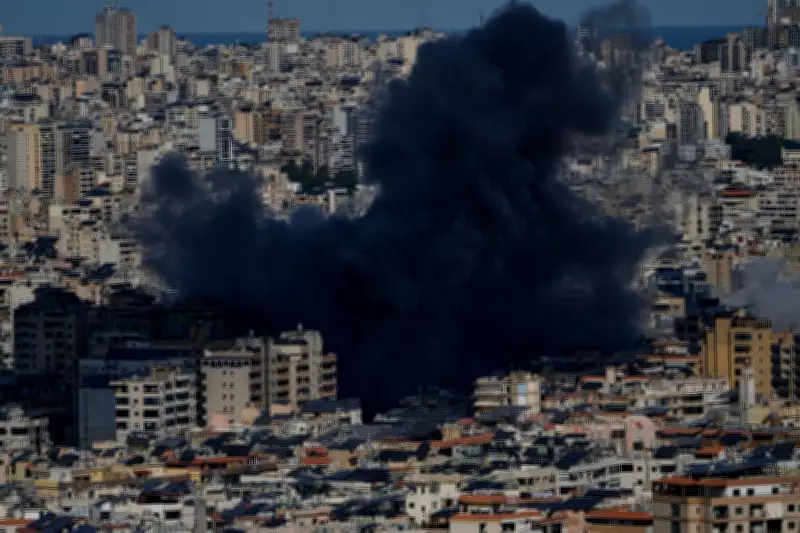
The latest Iranian assaults represent a strategic broadening of military engagement beyond previous flashpoints. While specific details regarding the scale and precise locations of these attacks remain under assessment by international observers, the coordinated nature of the strikes suggests a calculated effort to stretch defensive resources across multiple fronts. This development comes amidst already heightened tensions following recent Israeli airstrikes in Beirut's southern suburbs, as documented by Associated Press imagery showing smoke rising from the Dahiyeh area.
The timing of Iran's offensive is particularly noteworthy, occurring as global attention remains divided between the Middle East crisis and numerous domestic issues across North America. From extreme weather events affecting Canadian provinces to political debates and economic fluctuations, the international community now faces the challenge of responding to an increasingly volatile security situation abroad while managing pressing concerns at home.

Regional and Global Implications
Military analysts warn that Iran's latest actions could trigger a dangerous chain reaction across the region. The involvement of Gulf countries in the conflict spectrum introduces new geopolitical complexities, potentially drawing additional nations into the fray and threatening vital international shipping lanes and energy infrastructure. The economic repercussions are already being felt globally, with oil prices hovering around $100 per barrel and analysts predicting impacts on everything from agricultural operations to consumer goods pricing.
"This represents a serious escalation that could fundamentally alter the security architecture of the Middle East," noted one regional security expert who spoke on condition of anonymity. "When a state actor begins conducting coordinated attacks across multiple sovereign territories, it crosses thresholds that historically have led to broader regional conflicts."
Political Responses and Diplomatic Fallout
The attacks have prompted immediate political reactions in Western capitals. In Canada, opposition leader Pierre Poilievre has publicly criticized Prime Minister Carney's absence during parliamentary debates concerning the Iran conflict, highlighting how international crises increasingly influence domestic political discourse. Meanwhile, the United States faces its own challenges as stock markets whipsaw in response to oil price volatility triggered by the Middle East instability.
The humanitarian dimension of the conflict continues to worsen, with civilian populations caught in crossfire and infrastructure damage mounting. Medical systems in affected areas face unprecedented strain, mirroring healthcare challenges being experienced globally, from measles outbreaks in Manitoba to mental health crises exacerbated by ongoing uncertainties.
As diplomatic channels work overtime to prevent further escalation, the international community watches with growing concern. The coming days will prove critical in determining whether this latest offensive represents a temporary spike in hostilities or the beginning of a new, more dangerous phase in the Middle East's protracted conflict.