Iran Launches Cross-Regional Strikes as Israel and U.S. Hit Back in Fifth Week of War
In a significant escalation of hostilities, Iran has fired on targets across the Middle East, while Israel and the United States conducted retaliatory strikes on Tehran, as the regional conflict nears the end of its fifth week. The ongoing war has intensified, with military actions spreading beyond initial flashpoints, raising concerns about broader instability in the area.
Escalating Military Actions and Regional Impact
The recent attacks mark a dangerous expansion of the conflict, which began over a month ago. Iranian forces targeted multiple locations throughout the Middle East, though specific details on the strikes remain under scrutiny by international observers. In response, Israeli and U.S. military units coordinated efforts to hit strategic sites in Tehran, signaling a direct confrontation between the nations involved.
This exchange of fire underscores the volatile nature of the situation, with diplomatic efforts to de-escalate tensions appearing to stall. Analysts warn that the prolonged engagement could lead to further humanitarian crises and economic disruptions across the region.

Humanitarian Toll and Displacement Crisis
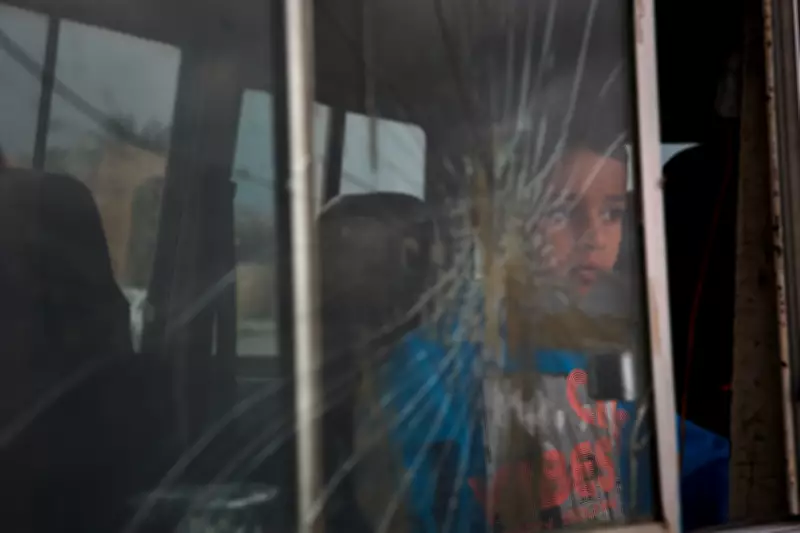
The conflict has already taken a severe human toll, as illustrated by the plight of civilians caught in the crossfire. In southern Lebanon, a boy who fled with his family following Israeli strikes now shelters in a van in Sidon, Lebanon, highlighting the widespread displacement and suffering. Such scenes are becoming increasingly common as families seek refuge from the violence, with aid organizations reporting a surge in displaced persons across affected areas.
Local authorities and international agencies are struggling to provide adequate support, with resources stretched thin by the scale of the crisis. The boy's situation serves as a poignant reminder of the war's impact on innocent lives, particularly children who face disrupted education and trauma.
International Reactions and Future Outlook
Global leaders have expressed alarm over the escalating conflict, calling for renewed peace talks and humanitarian interventions. The involvement of major powers like the United States adds a layer of complexity, with potential implications for international security and energy markets. As the war enters its fifth week, there are growing fears that it could spill over into neighboring countries or trigger wider geopolitical confrontations.
Key developments to monitor include:
- Further military engagements between Iran, Israel, and U.S. forces.
- Diplomatic initiatives aimed at brokering a ceasefire.
- Humanitarian aid efforts to assist displaced populations.
- Economic impacts, such as fluctuations in oil prices due to regional instability.
With no immediate resolution in sight, the conflict continues to evolve, posing significant challenges for regional stability and global peace efforts. Observers emphasize the need for urgent action to prevent further escalation and address the growing humanitarian emergency.