Iran Issues Threats Against Tourism Sites as US Bolsters Military Presence in Middle East
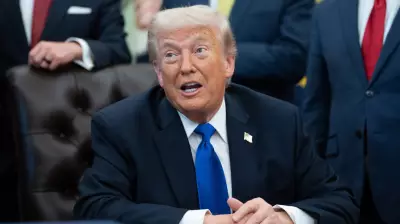
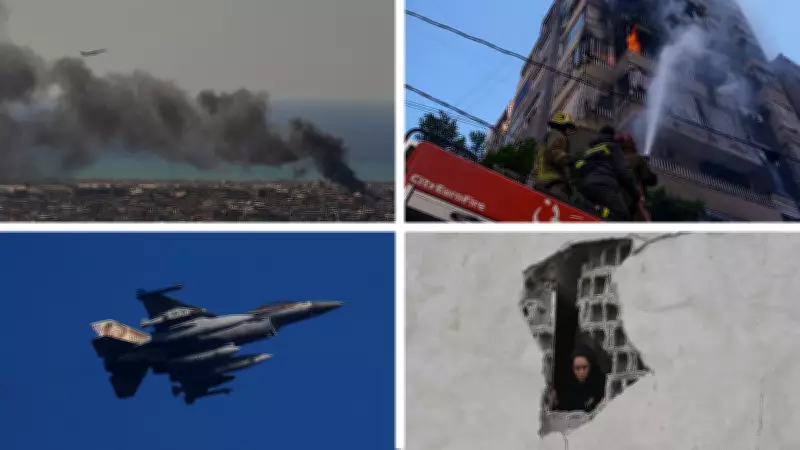
In a significant escalation of regional tensions, Iran has issued direct threats against tourism sites, while the United States is responding by deploying additional Marine forces to the Middle East. This military buildup coincides with former President Donald Trump hinting at a potential wind-down of the conflict through social media posts, adding a complex political dimension to the unfolding crisis.
Military Posturing and Strategic Implications
The US decision to send more Marines represents a tangible reinforcement of American military capabilities in a region already on high alert. Analysts note that this move signals a readiness to protect strategic interests, including vital shipping lanes like the Strait of Hormuz, where recent strikes have heightened fears of broader confrontation. A former general emphasized that US threats to use troops for operations such as taking Kharg Island are "very significant," potentially altering the tactical landscape.
Iran's threats against tourism sites mark a concerning expansion of its adversarial posture, leveraging economic and civilian targets to exert pressure. An international security expert highlighted Iran's "long history of striking abroad," suggesting these threats could foreshadow attacks beyond the immediate region, complicating security calculations for allied nations.

Political Dynamics and Diplomatic Tensions
Amid the military maneuvers, former President Trump's social media commentary has injected uncertainty into the diplomatic arena. His posts, including criticism of NATO allies as "a paper tiger" without US support, reflect ongoing political divisions that may influence international responses to the crisis. This rhetoric underscores the challenges in maintaining a unified front as global powers navigate the volatile situation.
The timing of these developments is particularly sensitive, with the World Cup approaching and heightened security concerns in host cities. While unrelated to the Middle East conflict, incidents such as Toronto's mayor moving to block US ICE presence illustrate how global tensions can ripple into domestic policies and public safety measures.
Broader Regional and Global Context
The escalating conflict has implications beyond military engagements, with experts warning that a prolonged Iran war could drive up food prices globally, exacerbating economic strain on populations already facing inflation. This economic dimension adds urgency to diplomatic efforts aimed at de-escalation.
Meanwhile, other global events, from high-stakes Meta trials about social media risks to cybersecurity disruptions by Iran-linked hackers, highlight the interconnected nature of modern conflicts, where digital and physical battlegrounds increasingly overlap.
Key Points:- Iran's threats against tourism sites represent a new tactic in regional tensions.
- US deployment of additional Marines aims to bolster deterrence in the Middle East.
- Former President Trump's hints at a wind-down add political complexity to the crisis.
- Security experts warn of potential attacks beyond the region, citing Iran's history.
- Economic impacts, such as rising food prices, could result from prolonged conflict.
As the situation evolves, the international community watches closely, balancing military preparedness with diplomatic outreach to prevent further escalation in one of the world's most volatile regions.