Iran Issues Safety Warnings for Tourist Destinations Amid Escalating Regional Tensions
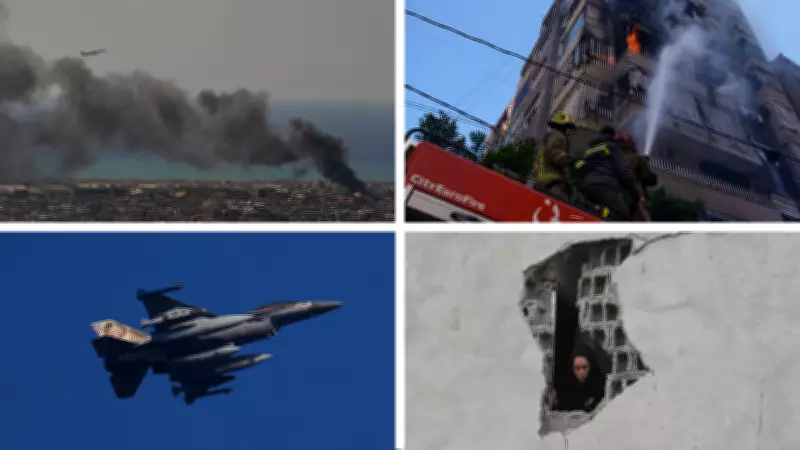
Iran has issued stark warnings regarding the safety of tourist destinations as regional tensions continue to escalate. This development coincides with former U.S. President Donald Trump's recent statements indicating he is considering a reduction in military operations. The situation underscores growing concerns over potential conflicts spreading beyond immediate hotspots, with implications for global security and economic stability.
Trump's Military Considerations and Diplomatic Fallout
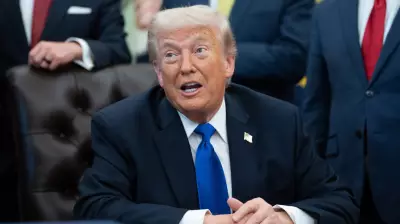
In a significant political development, Donald Trump has publicly suggested he is evaluating options to "wind down" military engagements. This announcement comes amid heightened U.S.-Iran hostilities, including recent strikes in the Strait of Hormuz region. Trump's comments have sparked intense debate among allies and adversaries alike, particularly as he criticized NATO's dependence on American support, calling the alliance "a paper tiger" without U.S. involvement.
Security experts note that Iran possesses "a long history of striking abroad," raising alarms about potential retaliatory actions targeting Western interests globally. The former U.S. president's rhetoric has further complicated diplomatic efforts to de-escalate tensions, with some analysts warning that reduced American military presence could create power vacuums exploited by hostile actors.

Economic and Security Implications Beyond the Region
The escalating conflict has already begun affecting global markets, with experts predicting that prolonged hostilities could drive up food prices beyond current fuel cost increases. This economic pressure compounds existing challenges in supply chains and inflation rates worldwide. Additionally, security concerns are mounting around major international events, including preparations for the upcoming World Cup, where some local authorities are taking precautionary measures against potential threats.
Meanwhile, the Canadian government has outlined specific criteria for providing assistance to Gulf nations impacted by the Iran conflict, reflecting broader international efforts to manage fallout from the crisis. The RCMP commissioner has clarified that while transnational repression investigations continue, no current criminal links have been established between such activities in Canada and the Indian government.
Broader Context of Regional Stability
The warnings from Iran regarding tourist destinations represent a strategic communication effort aimed at both domestic and international audiences. By highlighting potential risks to civilians, Tehran may be attempting to pressure Western governments while preparing its population for extended confrontation. This approach aligns with historical patterns where regional conflicts have increasingly involved asymmetric tactics targeting economic and social infrastructure.
As military posturing continues, diplomatic channels remain active but strained. The international community watches closely as decisions made in coming weeks could determine whether the situation escalates into broader conflict or moves toward negotiated resolution. With multiple stakeholders including NATO allies, Gulf states, and global economic powers invested in regional stability, the path forward remains uncertain and fraught with potential for miscalculation.