Iranian Sleeper Cells Activating in Canada Following Regional Escalation
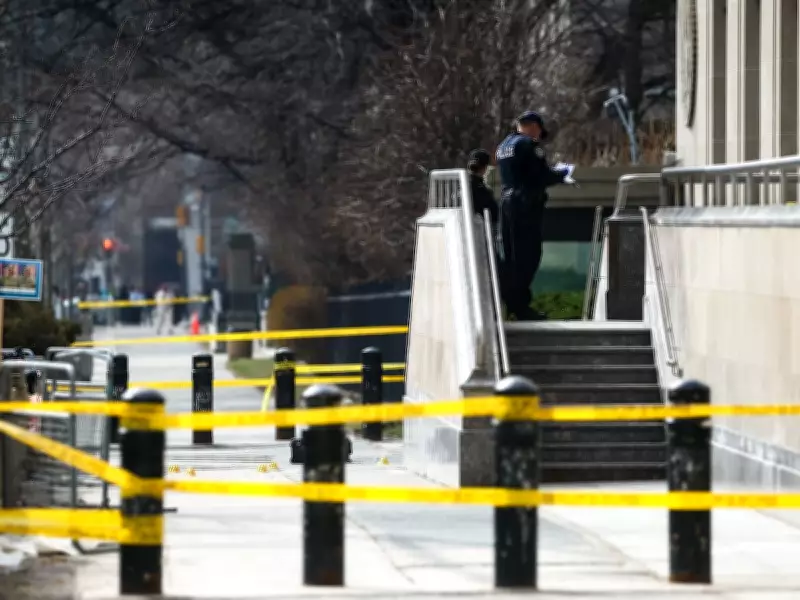
At least five United States diplomatic missions have been targeted in recent Iranian retaliatory strikes across the Middle East, with the conflict now expanding beyond the region. The latest apparent incident occurred in Toronto, where unknown assailants fired shots at the U.S. consulate early Tuesday morning—an act Prime Minister Justin Trudeau has condemned as intimidation.
Toronto Attack Investigated as National Security Incident
The Toronto shooting, currently being investigated as a national security incident, comes just one day after an improvised explosive device detonated outside the U.S. embassy in Oslo, Norway, on Sunday. These incidents represent a concerning pattern of attacks on American diplomatic facilities extending well beyond the Middle Eastern theater of conflict.
Despite these developments, the Canadian Security Intelligence Service maintains that the threat level in Canada from Iran or its proxies remains unchanged since the war began nearly two weeks ago. "The level remains at 'Medium,' meaning that a violent extremist attack remains a realistic possibility," a CSIS spokesperson stated in an official communication to CTV News on Tuesday evening.

Intelligence Warns of Activated Sleeper Networks
The emerging consensus among security analysts suggests the Islamic Revolutionary Guard Corps has activated long-dormant sleeper cells and escalated their operations in an unprecedented manner to spread fear and send messages to critics abroad. On March 9, U.S. federal authorities issued a high-level alert to law enforcement agencies warning of potential Iranian cells operating on American soil.
Intelligence officials indicate that encrypted communications believed to have originated in Iran may serve as an operational trigger for sleeper assets stationed abroad. The alert cites preliminary signals analysis of a transmission relayed across multiple countries shortly after the death of Ayatollah Ali Khamenei, who was killed in a U.S.-Israeli strike on February 28.
IRGC Designation and Canadian Operations
Iranian drones—the hallmark weapon of this conflict—have been deployed to strike U.S. embassies in several of Iran's neighboring countries. These unmanned aerial vehicles are predominantly launched by the IRGC, which Canada designated as a terrorist organization in 2024. The designation cited the group's documented role in promoting terrorism, human rights violations, and potential active operations within Canadian borders.
In a rare and candid speech last November, Dan Rogers, director of the Canadian Security Intelligence Service, sounded the alarm about Iranian government cells operating inside Canada. For the first time, he confirmed that Canadian intelligence has actively intervened to protect Tehran's critics on Canadian soil.
"Over the past year, we've had to reprioritize operations to counter Iranian intelligence services and their proxies, who target anyone they perceive as a threat to the regime," Rogers warned during his address.
Security Implications for Canada
The activation of sleeper cells represents a significant escalation in Iran's international operations strategy. While the CSIS threat level remains at medium, officials acknowledge that threat-related activity is likely to continue. The Toronto consulate attack suggests that Iranian operations may be expanding to target Western nations directly, rather than limiting activities to the Middle East region.
Security experts note that Canada has historically been viewed as a haven for IRGC members and sympathizers, making the country particularly vulnerable to these activation protocols. The combination of diplomatic attacks abroad and domestic security incidents creates a complex challenge for Canadian intelligence and law enforcement agencies.
As the conflict continues without a definitive time frame for resolution, Canadian authorities remain vigilant against potential further attacks. The situation underscores the global nature of modern security threats and the interconnectedness of international diplomatic protection efforts.