Iran's Supreme Leader Killed in Major U.S.-Israel Attack
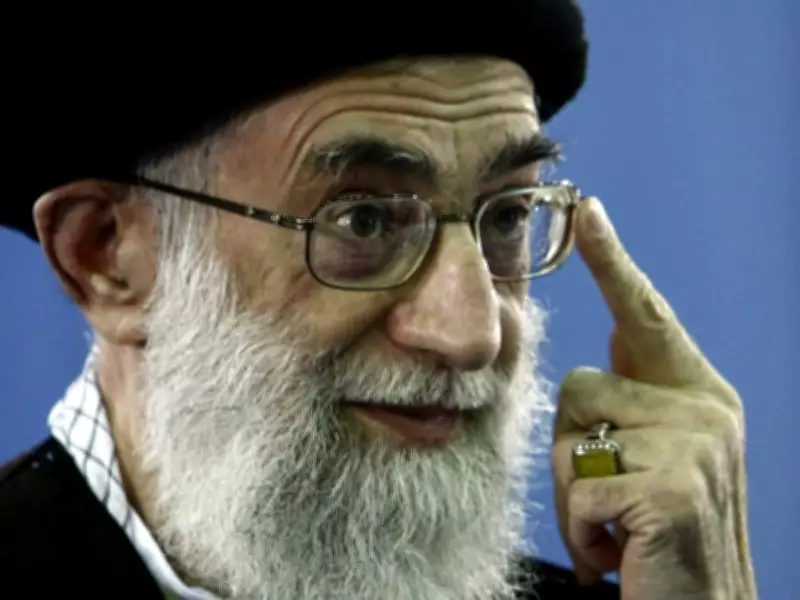
Iranian Supreme Leader Ayatollah Ali Khamenei has been confirmed dead following a significant military operation conducted jointly by Israel and the United States. Iranian state media reported the news early Sunday, creating immediate uncertainty about the future direction of the Islamic Republic and escalating fears of widespread regional instability.
Leadership Vacuum and Immediate Fallout
The killing of the 86-year-old supreme leader during an airstrike targeting his compound in downtown Tehran has created a substantial leadership vacuum within Iran's governing structure. Satellite imagery from Airbus clearly shows extensive bombing damage at the site, confirming the intensity of the assault.
State television acknowledged his death occurred at his office, stating he "consistently stood among the people and at the forefront of his responsibilities, confronting what officials call global arrogance." The absence of a publicly known successor compounds the crisis, given Khamenei's decades-long control over all major policies through Iran's clerical establishment and the powerful paramilitary Revolutionary Guard.

Political Reactions and Warnings
Former U.S. President Donald Trump announced the death hours before official confirmation, declaring it gave Iranians their "greatest chance" to "take back" their country. In a social media post, Trump wrote: "Khamenei, one of the most evil people in History, is dead."
He further warned of "heavy and pinpoint bombing" that would continue throughout the week and potentially beyond, describing the operation as necessary to disable Iran's nuclear capabilities. The White House social media account echoed this sentiment, framing the action as justice for Iranians, Americans, and victims worldwide.
Casualties and Iranian Response
The semiofficial Fars news agency, believed to have close ties to the Revolutionary Guard, reported that several of Khamenei's relatives were also killed in the attack. The casualties reportedly include a daughter, son-in-law, daughter-in-law, and grandchild.
Iranian authorities have vowed severe retaliation. The Cabinet declared this "great crime will never go unanswered," while the Revolutionary Guard promised "a severe, decisive and regret-inducing punishment" for Khamenei's killing. Ali Larijani, secretary of Iran's National Security Council, posted on social media that "the brave soldiers and the great nation of Iran will deliver an unforgettable lesson to the hellish international oppressors."
Eyewitness Accounts and Regional Context
Eyewitnesses in Tehran told The Associated Press that some residents responded to news of the death with celebration, including cheering from rooftops, whistle-blowing, and traditional ululations. This mixed reaction highlights the complex political landscape within Iran.
The joint operation occurred during the Muslim holy month of Ramadan and at the start of Iran's workweek, following months of escalating tensions. U.S. military officials reported no American casualties and minimal damage to U.S. bases despite "hundreds of Iranian missile and drone attacks" in response. Targets in Iran reportedly included Revolutionary Guard command facilities, air defense systems, missile and drone launch sites, and military airfields.
Israel confirmed additional high-profile casualties from the operation, including the commander of the Revolutionary Guard Corps, Iran's defense minister, and the secretary of the Iranian Security Council—a close adviser to Khamenei. This represents the second major Trump administration assault on Iran within eight months, though officials emphasized this latest action was necessary to prevent potential resurgence of nuclear capabilities.