Iran's Supreme Leader Killed in Coordinated US-Israel Attack as War Erupts
The long-anticipated military conflict with Iran has officially begun following a meticulously planned joint attack by United States and Israeli forces that resulted in the death of Supreme Leader Ayatollah Ali Khamenei and approximately forty senior members of the Iranian regime leadership. The coordinated assault, executed in broad daylight with remarkable audacity, represents a significant escalation in regional tensions that have been building for decades.
Morning Sirens Signal the Beginning of Conflict
At precisely 8:13 am on Saturday morning, air raid sirens wailed throughout Israel, capturing the immediate attention of the nation's ten million residents. The Home Front Command issued an emergency alert that overrode all media and cellular phone settings, preceded by what witnesses described as a piercing sound capable of penetrating concrete. The alert specifically instructed citizens to follow directions exclusively from official channels as the country prepared for what many had long feared would become reality.
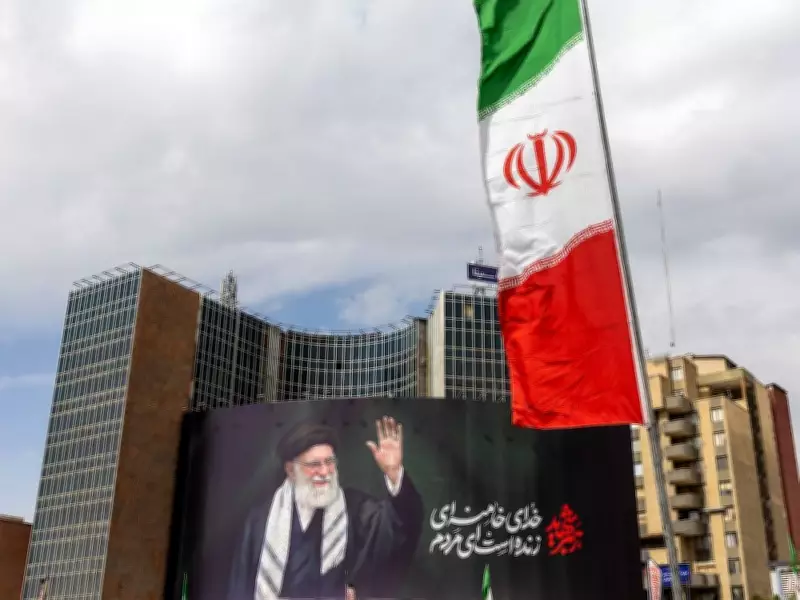
We now know that during the initial sixty seconds of the air attack on Iran, approximately forty of the most senior members of the regime leadership were eliminated across multiple locations. Among those confirmed killed was Iran's Supreme Leader, Ayatollah Ali Khamenei, whose portrait had been prominently displayed in central Tehran just days before the attack.

Months of Complex Planning and Intelligence Gathering
American and Israeli military forces had been developing this tightly choreographed operation for several months, drawing upon what intelligence experts describe as one of the most complex intelligence-gathering efforts in modern military history. The operation leveraged decades of field preparation and cultivation of human assets, with last-minute intelligence from the CIA causing a critical adjustment to the attack timeline.
Originally planned as a nighttime assault, the operation was delayed slightly when CIA intelligence revealed a last-minute change in the timing and location of a meeting between Ayatollah Khamenei and other key Iranian officials. The first strikes ultimately occurred at 8:10 am local time in Israel, which corresponded to 9:30 am in Iran, transforming what was intended as a covert nighttime operation into a bold daylight assault.
Military Execution and Regional Implications
The initial air attacks involved approximately two hundred combat aircraft flying more than a thousand kilometers from Israel and various regional bases to reach Iranian territory. Refueling operations were conducted entirely in the air, demonstrating the sophisticated logistical capabilities of the allied forces. Within hours of the initial strikes, Israeli and American militaries had established dominance over Iranian airspace, creating necessary conditions for subsequent waves of attacks.
Targets included critical infrastructure supporting the Islamic Revolutionary Guard Corps (IRGC), the Basij police force, intelligence operations, and other state institutions that have been deployed to suppress protests against the regime since late December. The timing of the attack appears strategically connected to the ongoing internal unrest within Iran, where tens of thousands of citizens have been protesting against the regime's policies and leadership.
Warning Signs and Public Awareness
Clear indications of the impending conflict emerged on Friday when an email from U.S. Ambassador to Israel Mike Huckabee to embassy staff was leaked to the public. In the communication, Huckabee urged anyone wishing to leave Israel to do so immediately, warning that commercial flights might become unavailable starting Saturday. Many heeded this advice, with some travelers photographing twenty-two U.S. military refueling jets parked conspicuously between commercial aircraft at Ben Gurion Airport.
This visible military presence, which intelligence analysts believe was deliberately staged, sent an unmistakable message to Israeli citizens: war had arrived once again. The public display of military assets at a civilian airport underscored the seriousness of the situation and the coordinated nature of the impending operation.

The death of Ayatollah Khamenei and the elimination of key regime leadership figures represents a potentially transformative moment in Iranian politics and regional dynamics. As the conflict continues to unfold, the future of Iran now rests increasingly in the hands of its people, who have been protesting against the regime for months. The coordinated military action by the United States and Israel marks a significant escalation in international efforts to address what many Western nations have described as a destabilizing regime in the Middle East.