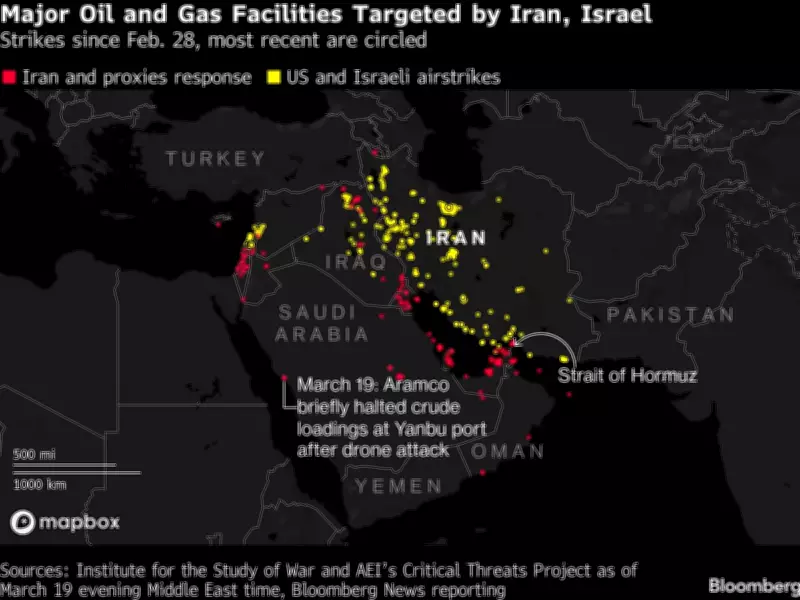
Israel has declared it will cease targeting Iranian energy infrastructure following an attack on an Iranian gas field that triggered retaliatory strikes across the Middle East. This escalation caused significant surges in oil and gas prices and drew a sharp rebuke from former U.S. President Donald Trump.
Market Turmoil and Diplomatic Tensions
The conflict intensified as both sides bombed additional energy facilities, threatening to involve Gulf and European powers while exposing growing tensions between the United States and Israel. Prime Minister Benjamin Netanyahu stated at a Thursday press conference that "Israel acted alone", despite previous Israeli claims of informing the U.S. about the initial attack.
Trump's Intervention and Market Response
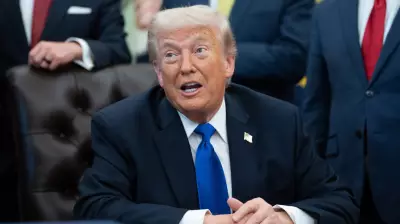
Trump directly addressed the situation from the White House, stating "I told him, 'don't do that.' And he won't do that" regarding Netanyahu. The former president emphasized their coordinated relationship while acknowledging occasional disagreements. Netanyahu's subsequent announcement that Israel would assist the U.S. in reopening the Strait of Hormuz helped calm markets that had seen already-elevated energy prices spike once again.

Military Developments and Financial Implications
The Pentagon has requested an additional $200 billion from Congress to fund the ongoing conflict, according to sources familiar with the matter. This substantial funding request suggests the U.S. is preparing for a protracted campaign against Iran, though Defense Secretary Pete Hegseth downplayed concerns during a combative news conference, insisting the U.S. remains "on plan" with its war objectives.
Hegseth defended the expenditure by stating "It takes money to kill bad guys" while rejecting notions that the conflict was spiraling toward "an endless abyss or a forever war." However, congressional approval remains uncertain given the sharply divided political landscape and questions about the administration's long-term strategy.
Regional Security Concerns
Iran claimed its air defenses "seriously damaged" a U.S. F-35 stealth fighter, with U.S. Central Command confirming one warplane made an emergency landing while the pilot remained in stable condition. These developments highlight the increasing risks as the conflict enters its third week with no clear resolution in sight.
Economic Consequences and Political Reactions
The ongoing hostilities have triggered significant economic repercussions:
- Oil and gas prices experienced dramatic surges
- Bond markets tumbled amid inflation concerns
- Asian and European equities extended losses
- U.S. stocks showed late-session recovery following Netanyahu's Hormuz announcement
Democratic Senator Gary Peters of Michigan expressed skepticism about the Pentagon's funding request, telling Bloomberg Television that the administration must present "a plan" and clarify "what an end goal looks like, or what victory looks like" to secure his support.
The $200 billion request far exceeds the estimated $65 billion the U.S. has provided in security assistance to Ukraine since 2022, indicating the administration anticipates a lengthy campaign against Iranian interests in the region.