Israel and Iran Exchange Fire, Targeting Oil Infrastructure and Escalating Regional Conflict
Early Wednesday, Israel and Iran engaged in a significant exchange of fire, with Tehran intensifying pressure on the region's oil industry by targeting critical infrastructure and maritime vessels. This escalation has heightened global energy concerns as the Middle East war shows no signs of abating, with attacks spreading across multiple nations and causing casualties.
Attacks on Key Locations and Infrastructure
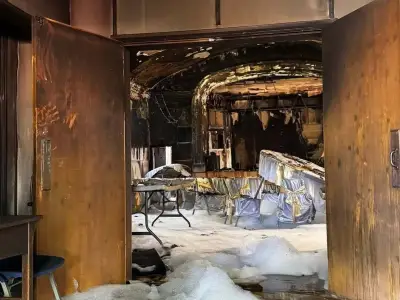
In the United Arab Emirates, two Iranian drones struck near Dubai International Airport, the world's busiest hub for international travel and home to Emirates airline. The Dubai Media Office reported that four people were wounded, but flight operations continued despite the incident. Simultaneously, a projectile hit a container ship off the coast of Oman in the Strait of Hormuz, setting it ablaze and forcing the crew to abandon the vessel, according to the British military.
Kuwait and Saudi Arabia also faced threats, with Kuwait's defenses downing eight Iranian drones and Saudi Arabia intercepting five drones aimed at the Shaybah oil field. Iran's actions have effectively disrupted cargo traffic in the narrow Strait of Hormuz, a vital passage for about one-fifth of the world's oil shipments from the Persian Gulf to the Indian Ocean. By targeting oil fields and refineries in Gulf Arab nations, Iran aims to inflict enough global economic pain to pressure the United States and Israel to cease their strikes.

Regional and International Responses
The United Nations Security Council was scheduled to vote later Wednesday on a resolution sponsored by the Gulf Cooperation Council, demanding that Iran halt attacks on its Arab neighbors. This move comes as Israel renewed assaults on Tehran, following multiple strikes on Tuesday that residents described as some of the heaviest during the conflict. Explosions were also reported in Beirut and southern Lebanon after Israel targeted sites linked to the Iran-backed militant group Hezbollah.
In Lebanon, an Israeli attack set a building on fire in central Beirut's densely populated Aicha Bakkar area, engulfing the top two floors, with no immediate reports of casualties. Earlier strikes killed five people in the Nabatieh district and two more in the Tyre and Bint Jbeil districts, according to Lebanon's Health Ministry. A Red Cross worker died from wounds sustained earlier in the week, bringing the death toll in Lebanon to nearly 500 since Hezbollah initiated the latest round of fighting.
Escalating Threats and Economic Impact
Israel warned of three Iranian attacks early Wednesday, with sirens sounding in Tel Aviv and other areas, though no casualties were immediately reported. Saudi Arabia's defense ministry stated it destroyed six ballistic missiles launched toward Prince Sultan Air Base, a key U.S.- and Saudi-operated facility, and intercepted two drones over Hafar al-Batin. The United Arab Emirates activated its air defenses against incoming Iranian fire, reporting that attacks have killed six people and wounded 122 others in the country.
Bahrain sounded sirens warning of an Iranian attack, following a strike that killed a 29-year-old woman and wounded eight in the capital, Manama. Oil prices remained elevated, with Brent crude up about 20% since the war began, causing financial market volatility and higher costs for consumers worldwide. The U.S. military reported destroying 16 Iranian minelayers near the Strait of Hormuz, raising concerns about potential mining that could block oil shipments for weeks.
Shipping Disruptions and Broader Implications
Shipping in the Strait of Hormuz has been severely impacted, with only seven vessels transiting since March 8, compared to over 100 daily in normal times. Five of these ships were linked to Iranian-associated shipping, often making "dark" transits by turning off tracking systems. Despite the disruptions, Iran has resumed crude exports through its Jask oil terminal, with a tanker loading 2 million barrels on March 7.

Amid the conflict, speculation has grown over the health of Iran's new Supreme Leader, Ayatollah Mojtaba Khamenei, who has not been seen since assuming the role after his father's death in an Israeli airstrike. The war has also prompted foreign nationals to flee the region, with over 45,000 U.K. citizens and 40,000 Americans returning home, according to official reports.