The Israeli military has formally disciplined one of its units following a confirmed assault on a CNN news crew operating in the West Bank. This incident underscores the volatile and often dangerous conditions for journalists covering the ongoing Israel-Hamas conflict and related tensions in occupied territories.
Details of the Assault and Disciplinary Response
According to official statements, the assault occurred during a period of heightened military activity in the West Bank. The CNN crew was reportedly conducting reporting when they were confronted and physically attacked by members of the Israeli military unit. While specific details of the assault remain under investigation, the Israeli Defense Forces (IDF) have acknowledged the incident and imposed disciplinary measures against the unit involved.
Context of Rising Tensions
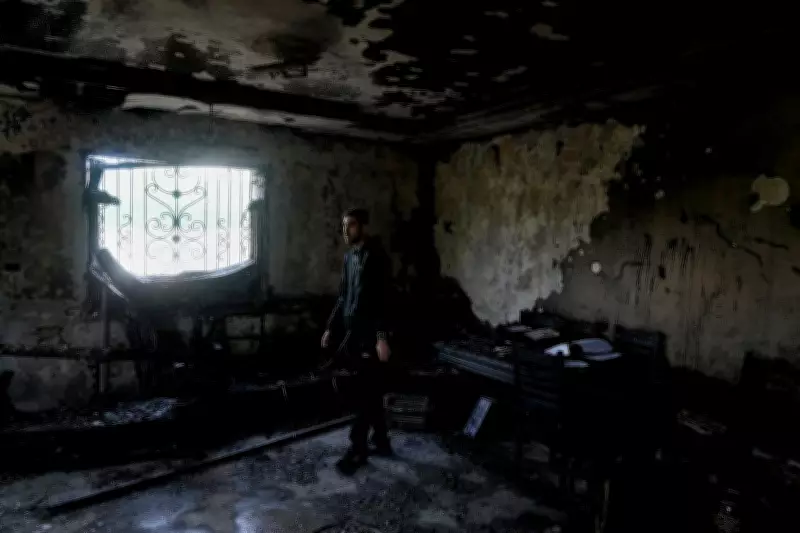
This event takes place against a backdrop of escalating violence in the region. Recent months have seen increased clashes between Israeli forces, Palestinian groups, and settlers in the West Bank. For instance, in late March 2026, Israeli settlers carried out a rampage through Nablus-area villages, resulting in torched homes and heightened local unrest, as documented by Associated Press photography from the village of Deir al-Hatab.

The assault on the CNN team highlights the significant risks faced by international media personnel striving to report from conflict zones. Journalists often operate in precarious environments where their safety can be compromised by military engagements, settler violence, and general instability.
Broader Implications for Press Freedom
This disciplinary action by Israel raises important questions about the protection of press freedom in conflict areas. While the punishment signifies an acknowledgment of wrongdoing, it also points to systemic challenges in ensuring journalist safety during military operations. Media advocacy groups have long called for greater accountability and protocols to shield reporters from harm while they perform their essential role of informing the global public.
The incident in the West Bank is not isolated. Journalists covering the Israel-Hamas war have frequently reported obstacles, including restrictions on access, threats, and physical dangers. The IDF's response in this case may set a precedent for how similar incidents are handled in the future, potentially influencing military conduct towards media entities.
Regional and International Reactions
Reactions to the assault and subsequent discipline have been mixed. Some international observers have commended the Israeli military for taking corrective action, viewing it as a step towards accountability. Others, however, argue that more stringent measures are necessary to prevent recurrences and to uphold international standards for journalist protection.
Meanwhile, the ongoing conflict continues to dominate headlines, with recent developments including humanitarian crises, diplomatic efforts, and military strategies on both sides. The assault on the CNN crew serves as a stark reminder of the human cost and the complex, often perilous, dynamics at play in the region.
As the situation evolves, the role of the media in providing accurate, on-the-ground reporting remains crucial. Ensuring the safety of journalists is paramount to maintaining transparency and understanding in one of the world's most protracted and contentious conflicts.