Israeli Military Advances into Southern Lebanon Amid Escalating Tensions
In a significant escalation of hostilities, Israel has deployed ground troops into southern Lebanon, a move that comes directly after the militant group Hezbollah publicly declared its preparedness for what it termed an "open war." This development marks a dangerous new phase in the ongoing conflict between the two adversaries, raising fears of a broader regional confrontation.
Hezbollah's Defiant Stance and Military Posturing
The Lebanese militant organization Hezbollah, which is backed by Iran, issued a stark warning stating it is fully ready for an "open war" against Israel. This declaration follows a series of cross-border exchanges and increasing rhetoric from both sides. Hezbollah's leadership has emphasized its military capabilities and resolve, signaling a potential shift from limited skirmishes to a more extensive and sustained conflict.
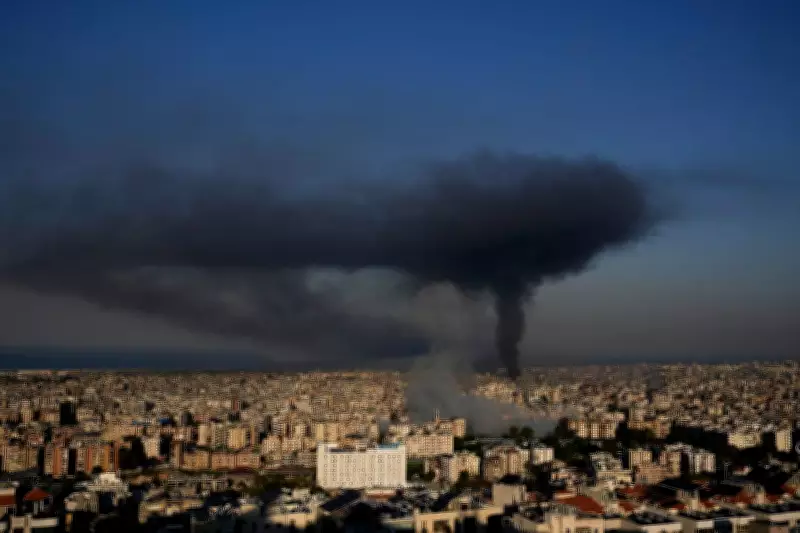
Israeli airstrikes have intensified in recent days, with significant attacks targeting areas such as Dahiyeh, a southern suburb of Beirut. Photographic evidence from March 3, 2026, shows smoke billowing from the aftermath of these strikes, underscoring the severity of the offensive. The Israeli military has justified its actions as necessary defensive measures against Hezbollah's growing threat and its stockpile of rockets and other armaments.

Ground Troop Deployment and Strategic Implications
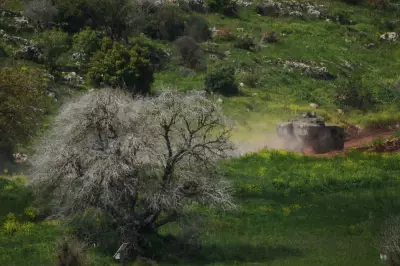
The decision to send Israeli troops into southern Lebanon represents a tactical escalation, moving beyond aerial bombardments to direct ground engagement. This area has historically been a flashpoint in Israeli-Lebanese conflicts, and the presence of Israeli forces on Lebanese soil is likely to provoke strong reactions from Hezbollah and its allies. Analysts suggest that this maneuver could be aimed at creating a buffer zone or preempting Hezbollah attacks, but it also risks drawing in other regional actors.
The timing of this escalation is particularly sensitive, given the broader geopolitical context, including ongoing tensions involving Iran and other Middle Eastern powers. The conflict has already resulted in civilian casualties and displacement, with humanitarian organizations expressing concern over the potential for a larger humanitarian crisis if hostilities continue to expand.
International Reactions and Diplomatic Efforts
Global leaders and international bodies are closely monitoring the situation, with calls for restraint and de-escalation. The United Nations and key Western nations have urged both parties to avoid actions that could lead to a full-scale war, emphasizing the devastating impact such a conflict would have on regional stability. Diplomatic channels are being activated in an attempt to mediate, but the volatile nature of the standoff complicates these efforts.
In related news, other international events continue to unfold, including political developments in Iran and domestic issues in Canada, but the Israeli-Lebanese conflict remains a focal point due to its potential to ignite wider hostilities. The situation is fluid, with military analysts warning that any miscalculation could result in a rapid and uncontrollable escalation, affecting not only Lebanon and Israel but the entire Middle East.