Israel Launches Major Strike on Tehran as Iran Escalates Counterattacks
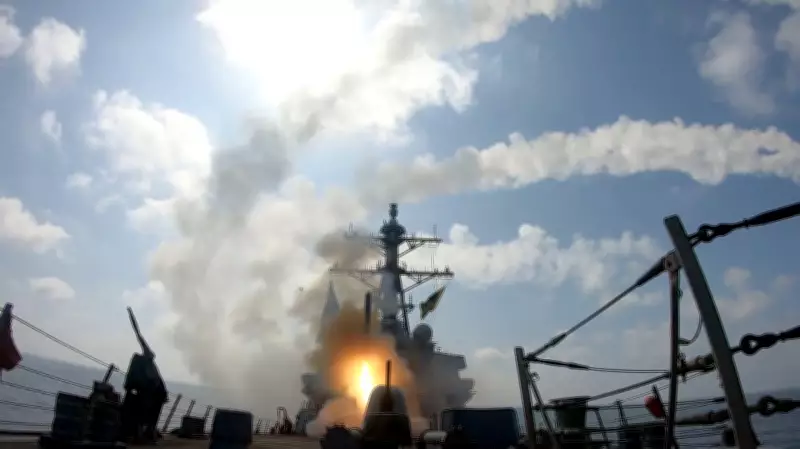
In a significant escalation of regional tensions, Israel has conducted a direct military strike on Tehran, the capital of Iran. This action comes as Iran widens its counterattacks in response to the recent death of Supreme Leader Ali Khamenei, who was killed in earlier U.S. and Israeli strikes. The situation has rapidly developed into a broader conflict, with live updates indicating ongoing hostilities and international concern.
U.S.-Israel Joint Operations and Political Reactions
Former U.S. President Donald Trump announced that the United States and Israel are engaged in joint attack operations, describing them as "major combat operations in Iran." Trump stated, "Iran is the principal source of instability and terror throughout the Middle East," justifying the military actions. In Canada, Prime Minister Carney has expressed explicit support for the attacks, with analysts noting this marks a clear shift in foreign policy alignment.
Military experts have highlighted the unprecedented nature of these strikes. David Fraser commented, "It's a vast difference in the targeting than in the past," suggesting a more aggressive and direct approach by U.S. and Israeli forces. Meanwhile, critics like Ham have labeled the U.S. involvement as "a war of choice," raising questions about the long-term implications for global security.

Regional and Global Fallout
The death of Supreme Leader Khamenei has triggered widespread protests and violence beyond Iran's borders. In Pakistan, at least nine people were killed as protesters stormed the U.S. Consulate, demonstrating the volatile reaction to the killing. World leaders are urgently calling for a return to diplomatic talks to prevent further escalation and stabilize the region.
In Canada, the Iranian community has expressed mixed emotions. In Winnipeg, one resident said, "We've been waiting for this for a long time," reflecting hope for change, while others fear increased instability. A retired general indicated that Canada will play a limited role in the Middle East conflict, focusing on humanitarian and diplomatic efforts rather than direct military engagement.
Economic and Security Implications
The strikes have immediate economic repercussions, with oil prices expected to experience significant swings due to supply uncertainties. This instability could impact global markets and energy sectors, adding to existing geopolitical tensions. Additionally, cybersecurity and AI safety concerns have emerged, with Trump ordering U.S. agencies to halt the use of certain Anthropic technology amid clashes over artificial intelligence security.
As the conflict unfolds, the international community watches closely, with many urging de-escalation to avoid a full-scale war. The situation remains fluid, with ongoing military operations and counterattacks shaping the future of Middle Eastern politics and global relations.