Israeli Airstrikes Target Tehran and Beirut as U.S. Pledges Escalation Against Iran
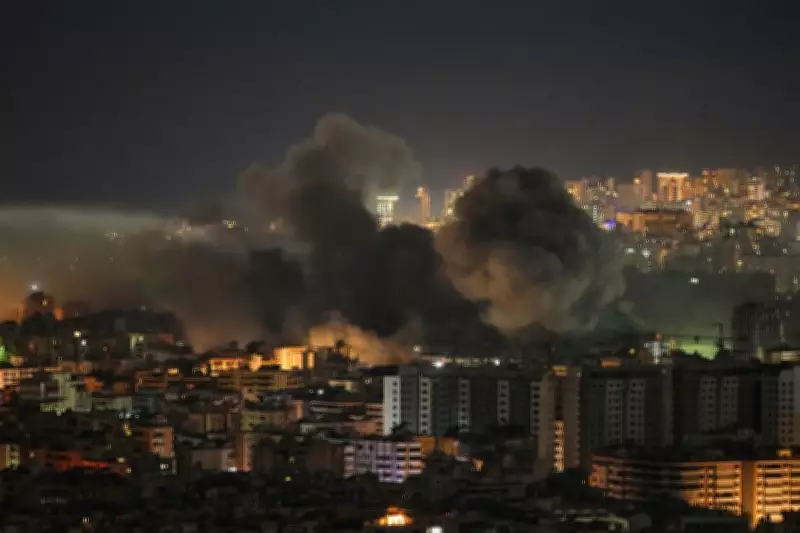
In a significant escalation of hostilities in the Middle East, Israeli warplanes have launched targeted strikes on the Iranian capital of Tehran and the Lebanese city of Beirut. This aggressive military action comes as the United States has publicly vowed to surge its own strikes against Iran, signaling a deepening international involvement in the regional conflict.
Expansion of Military Operations
The Israeli airstrikes represent a bold expansion of the ongoing war, directly targeting key urban centers in Iran and Lebanon. These attacks mark a substantial shift in the conflict's dynamics, moving beyond previous border skirmishes to strikes on major population hubs. The precision of the operations suggests careful planning and intelligence gathering, though specific damage assessments and casualty figures from the targeted areas remain undisclosed at this early stage.
United States Commitment to Increased Military Pressure
Concurrently, the United States has made a firm commitment to intensify its military actions against Iran. This pledge indicates a coordinated approach between American and Israeli forces, though the exact nature of this cooperation remains unclear. The U.S. escalation likely involves both direct strikes and enhanced support for regional allies, creating a multifaceted pressure campaign against Iranian interests throughout the Middle East.

Regional Implications and Security Concerns
The strikes on Tehran and Beirut have profound implications for regional stability and security. By targeting these cities, Israel has demonstrated a willingness to engage Iranian assets directly, potentially provoking retaliatory measures from Iran and its proxy forces across the region. This development raises serious concerns about the conflict spreading further and drawing in additional nations, creating a complex web of military engagements that could prove difficult to contain.
International Response and Diplomatic Fallout
The international community is closely monitoring these developments, with many nations expressing alarm at the rapid escalation. Diplomatic efforts to de-escalate the situation face significant challenges as military actions intensify. The United Nations and various regional organizations are likely to convene emergency sessions to address the growing crisis and explore potential pathways toward ceasefire negotiations, though the immediate prospects for diplomatic resolution appear limited given the current trajectory of events.
Future Outlook and Strategic Considerations
As the conflict enters this new phase, several strategic considerations emerge. The effectiveness of the airstrikes in achieving their military objectives remains to be seen, as does Iran's capacity to respond through conventional or asymmetric means. The U.S. commitment to increased strikes suggests a long-term strategy rather than a temporary escalation, potentially setting the stage for sustained military engagement in the region. The humanitarian impact on civilian populations in targeted areas also warrants close attention as the situation develops.
The combination of Israeli airstrikes on Tehran and Beirut with the U.S. pledge to intensify military actions against Iran represents a dangerous turning point in the Middle East conflict. This development significantly raises the stakes for all parties involved and increases the risk of broader regional destabilization. As events continue to unfold, the international community watches with growing concern about where this escalation might lead and what measures might be taken to prevent further deterioration of the situation.