Israelis Seek Shelter as Iranian Missile Barrages Strike in Familiar Ritual
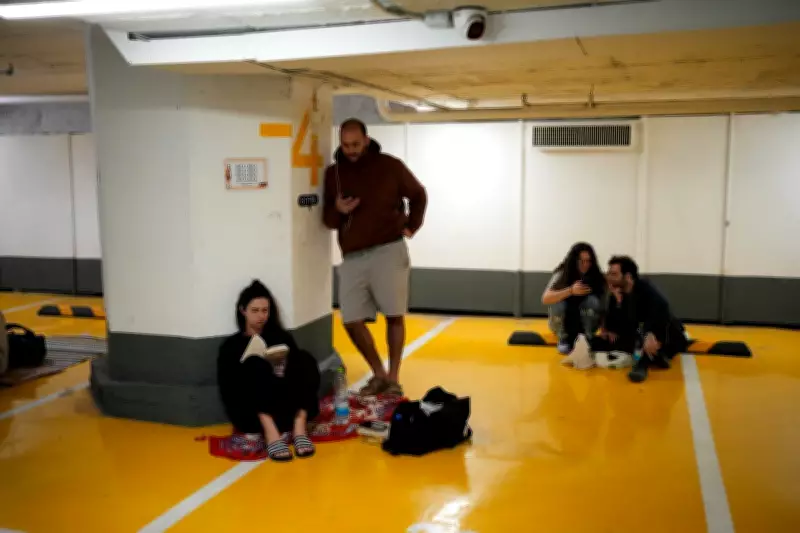
In a scene that has become all too familiar, residents of Tel Aviv, Israel, were forced to race to shelters on Saturday, February 28, 2026, as air raid sirens blared warnings of incoming missile strikes launched by Iran. The incident underscores the ongoing volatility in the Middle East, with civilians repeatedly caught in the crossfire of geopolitical conflicts.
Photographs from the event show people taking cover in an underground parking garage, a stark reminder of the routine nature of such emergencies in the region. The Associated Press captured images of individuals huddled together, their faces etched with concern, as they awaited the all-clear signal. This latest barrage follows a pattern of escalations between Israel and Iran, contributing to a climate of uncertainty and fear among local populations.
Context of Regional Tensions
The missile attacks come amid heightened tensions, with recent statements from former U.S. President Donald Trump claiming the death of Iranian Supreme Leader Ali Khamenei, though these reports remain unverified and are part of a broader narrative of instability. Meanwhile, Canadian Prime Minister Carney has ruled out military participation in the Middle East conflict, emphasizing a diplomatic approach to the crisis.

In North America, reactions have been mixed, with Iranian communities in cities like Winnipeg expressing varied responses to the strikes. Protests and demonstrations have erupted, reflecting the global impact of the hostilities. The situation has also affected economic factors, such as oil prices, which are expected to experience significant fluctuations due to supply uncertainties stemming from the U.S.-Israel strikes.
Human Impact and Civilian Resilience
The repeated need for shelter-seeking highlights the resilience of Israeli civilians, who have adapted to these threats as part of daily life. However, it also raises concerns about the long-term psychological and social effects of living under constant threat of attack. Health experts note that such environments can exacerbate mental health issues, including anxiety and depression, which are already on the rise in other contexts, as seen in recent Canadian studies.
As the international community watches, the cycle of retaliation and defense continues, with no immediate resolution in sight. The events in Tel Aviv serve as a poignant example of how regional conflicts directly impact ordinary people, forcing them into a ritual of survival that has become tragically routine.
This report is based on information from The Associated Press and other sources, detailing the ongoing challenges faced by residents in conflict zones.