In a striking New Year's message that underscores deepening ties, North Korean leader Kim Jong Un emphasized the concept of 'shared bloodshed' with Russian President Vladimir Putin. The communication, reported on December 26, 2025, reinforces the bond between the two nations, which has grown significantly closer amidst ongoing global tensions.
A Message Forged in Conflict
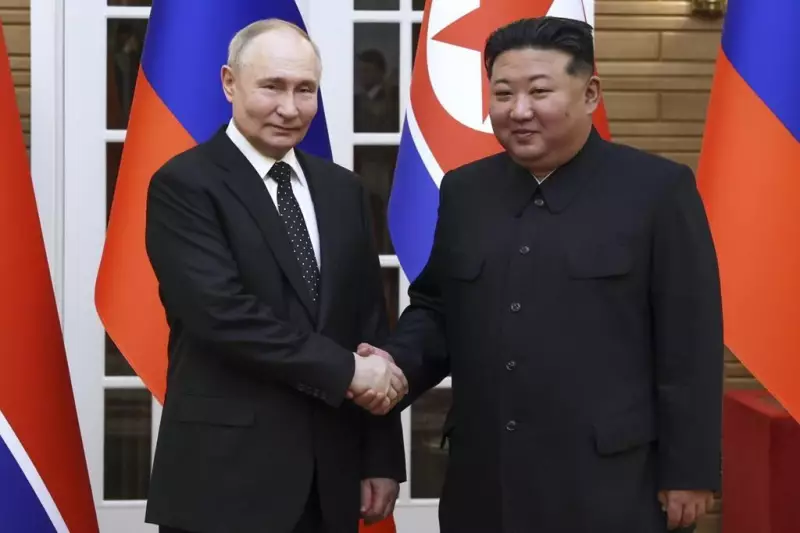
The phrase "shared bloodshed" is a potent reference to the mutual support and aligned strategic interests between Pyongyang and Moscow. Analysts interpret this as an acknowledgment of their collaborative stance against Western-led sanctions and pressure campaigns. This rhetoric follows a period of intensified cooperation, notably highlighted by Putin's visit to North Korea in June 2024, where the two leaders were photographed shaking hands in Pyongyang.
The timing of the message is significant, arriving as both countries face international isolation. For Russia, the ongoing conflict in Ukraine continues to define its foreign relations. For North Korea, its continued ballistic missile and nuclear programs keep it at odds with much of the international community, including key Canadian allies like the United States and South Korea.

Deepening Military and Economic Ties
The alliance between North Korea and Russia has moved beyond symbolic gestures to substantive military and economic exchanges. Western intelligence agencies have reported shipments of North Korean artillery shells and missiles to Russian forces in Ukraine. In return, North Korea is believed to be seeking technological assistance for its military programs and crucial economic support to circumvent stringent sanctions.
This burgeoning partnership presents a direct challenge to the global non-proliferation regime and the rules-based international order that Canada actively supports. The exchange of military hardware and expertise between a UN-sanctioned state and a permanent member of the UN Security Council undermines decades of diplomatic efforts aimed at curbing Pyongyang's weapons development.
Implications for Global Security and Canada
The strengthening Pyongyang-Moscow axis has serious ramifications for international security, with potential knock-on effects for Canadian foreign policy and defense priorities. A more empowered North Korea, backed by Russian resources, could lead to increased provocations in Northeast Asia, destabilizing a region critical to global trade and security.
For Canada, a steadfast member of NATO and a country with significant diplomatic interests in both Asia and Europe, this alliance complicates the strategic landscape. It necessitates closer coordination with allies to address the dual challenges posed by Russian aggression in Europe and North Korean belligerence in Asia. Canada's continued support for Ukraine and its commitment to enforcing sanctions regimes against both nations are directly relevant to countering this consolidated threat.
The New Year message from Kim Jong Un is more than a seasonal greeting; it is a stark reminder of the shifting alliances in a increasingly multipolar world. As 2026 begins, the "shared bloodshed" referenced by Kim signifies a partnership built on defiance of international norms, demanding vigilant and coordinated responses from Canada and its democratic partners.