French President to Inspect Classified Nuclear Submarine Base as European Allies Express Concerns Over U.S. Security Assurances
French President Emmanuel Macron is preparing for a highly confidential visit to a top-secret nuclear submarine base, a move that comes at a time of growing unease among some European nations regarding the steadfastness of American nuclear guarantees. This strategic inspection underscores France's independent nuclear deterrent capabilities and reflects broader continental security deliberations.
High-Stakes Visit to L'Ile Longue Naval Base
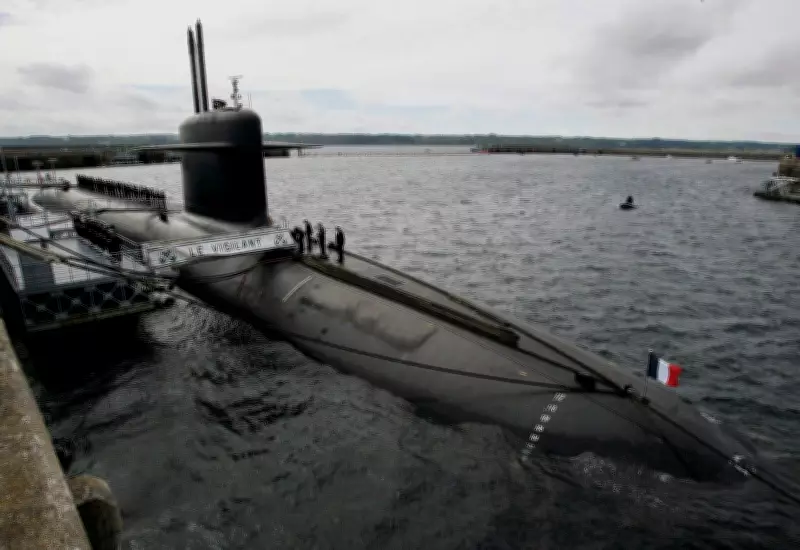
The planned itinerary includes the L'Ile Longue military installation near Brest in Brittany, a pivotal site for France's nuclear-powered ballistic missile submarines (SSBNs). This facility, home to vessels like "Le Vigilant," represents the cornerstone of the nation's strategic nuclear forces. Macron's tour is not merely ceremonial; it is a potent demonstration of national military sovereignty and readiness.
Historical context adds weight to this visit. The base has long been a symbol of France's post-war defense autonomy, and such presidential inspections are rare, reserved for moments of significant geopolitical signaling. The timing is particularly noteworthy, aligning with renewed debates about European defense architecture.

European Anxieties Over Transatlantic Nuclear Commitments
Concurrently, a palpable sense of apprehension is spreading among certain European capitals about the long-term reliability of the United States' nuclear umbrella. These concerns are fueled by evolving American foreign policy priorities and the potential for shifting domestic political landscapes that could impact security alliances.
Key points of European worry include:
- The durability of NATO's collective defense pledge, Article 5, in an era of strategic competition.
- Questions about future U.S. administrations' commitment to extended nuclear deterrence for European allies.
- The need for greater European strategic autonomy in defense and nuclear planning.
Macron's visit is widely interpreted as a subtle but clear message: Europe must seriously consider and bolster its own defense capabilities, with France's nuclear arsenal being a central component of any such continental security framework.
The Significance of France's Independent Nuclear Deterrent
France maintains one of the world's few independent nuclear triads, with submarine-launched ballistic missiles forming its most survivable leg. The submarines based at L'Ile Longue are on constant patrol, providing a continuous at-sea deterrent. This capability grants France a unique position within Europe, separate from the U.S.-led NATO nuclear sharing arrangements.
By personally visiting this sensitive site, Macron emphasizes several critical themes:
- National Sovereignty: Reaffirming France's control over its ultimate security instrument.
- Strategic Messaging: Signaling resolve and advanced readiness to both allies and potential adversaries.
- European Leadership: Positioning France as a cornerstone for any future, more self-reliant European defense pillar.
This action occurs against a complex backdrop of global tensions, where nuclear posturing and alliance reassurances have taken on renewed importance. The visit, therefore, is a multifaceted political and strategic gesture aimed at domestic, European, and international audiences.
As President Macron tours the clandestine facilities of L'Ile Longue, the world watches a demonstration of military preparedness intertwined with a diplomatic narrative about the future of European security in an uncertain world. The event highlights the delicate balance between alliance cooperation and the pursuit of sovereign defense capabilities, a debate that is likely to intensify in the coming years.