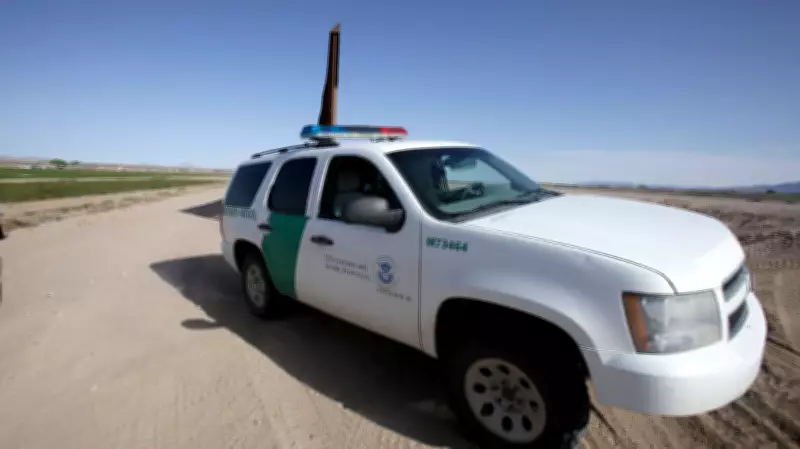
In a startling incident near Fort Hancock, Texas, the U.S. military deployed a laser on Thursday to shoot down a Customs and Border Protection drone, as confirmed by members of Congress. This event has triggered an immediate response from the Federal Aviation Administration, which has expanded airspace closures in the vicinity of El Paso, Texas, raising significant concerns about interagency coordination and public safety.
Recurring Airspace Disruptions Highlight Systemic Issues
This latest occurrence follows a similar incident just over two weeks ago, when the FAA was forced to shut down the El Paso airport and surrounding areas due to another anti-drone laser operation. While commercial flights remain unaffected by the current expanded closure over Fort Hancock, the pattern of disruptions underscores a growing problem with the use of counter-unmanned aircraft systems in sensitive regions.
Lawmakers Express Outrage Over Lack of Coordination
Representative Rick Larsen, along with several other top Democrats on the House Transportation and Infrastructure Committee, voiced their frustration after being notified through official channels. In a joint statement, they declared, "Our heads are exploding over the news that DoD reportedly shot down a Customs and Border Protection drone using a high-risk counter-unmanned aircraft system." They further criticized the White House for bypassing a bipartisan, tri-committee bill aimed at training C-UAS operators and improving coordination between the Pentagon, Department of Homeland Security, and the FAA, labeling it a "short-sighted idea" that has now led to visible incompetence.

FAA Responds with Expanded Airspace Measures
The FAA issued a brief statement acknowledging that the airspace over Fort Hancock was already under closure but was expanded on Thursday evening in response to the incident. This proactive measure aims to mitigate risks, yet it highlights the ongoing challenges in managing airspace security amidst military and border protection operations.
Silence from Key Agencies Fuels Uncertainty
As of the latest reports, the Defense Department and Customs and Border Patrol have not provided immediate responses to inquiries about the drone shootdown. This lack of transparency adds to the mounting concerns over communication gaps and operational protocols between federal agencies, potentially jeopardizing both national security and civilian air travel.
The incident near Fort Hancock serves as a critical reminder of the urgent need for enhanced training, better coordination, and clear policies to prevent such dangerous occurrences in the future, ensuring the safety of all airspace users.