North America on High Alert for Iran-Backed Terrorism After U.S. Strikes
Security agencies across North America have escalated their alert levels following recent military strikes by the United States and Israel against Iranian targets. The heightened state of vigilance comes amid growing concerns about potential retaliatory terrorism orchestrated by Iran-backed groups operating within the continent.
Diplomatic Statements and Security Implications
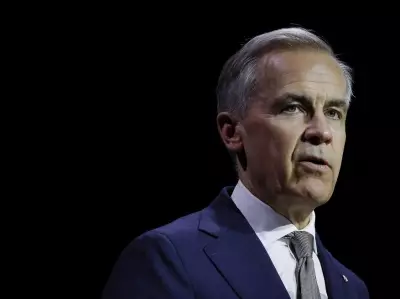
While Canadian Prime Minister Mark Carney initially expressed support for the U.S. actions to prevent Iran from obtaining nuclear weapons, he has since tempered his position with expressions of regret. This nuanced diplomatic approach, however, may not shield Canada from being perceived as a target by Iranian authorities seeking to retaliate against U.S. allies.
Phil Gurski, a former counterterrorism analyst with the Canadian Security Intelligence Service, warned that Carney's public endorsement of the strikes has effectively placed "Canada within the bullseye" from Tehran's perspective. Gurski expressed concern that such explicit support unnecessarily involves Canada in conflicts where it has no direct stake.

Current Threat Assessment
Security experts emphasize that while the immediate threat level in Canada remains lower than in the United States, the risk is far from negligible. The recent mass shooting in Texas, where a gunman wearing Iranian symbols killed three people and wounded thirteen, has intensified fears of inspired or proxy attacks, though no confirmed Iranian link has been established.
Ilan Berman, senior vice president of the American Foreign Policy Council, suggests that current threats are likely to manifest as "lone wolf" attacks driven by individual radicalization rather than large-scale, state-sponsored campaigns. Both Berman and Gurski anticipate that any immediate retaliation would probably involve small-scale, targeted attacks using firearms rather than sophisticated bombings.
Iran's Capabilities and Historical Context
Iran and its proxies, particularly Hezbollah, maintain well-established networks throughout both the United States and Canada. These organizations possess the infrastructure to execute coordinated attacks if Tehran decides to activate them. During previous conflicts, Iran has demonstrated restraint in deploying these networks, but experts caution that prolonged tensions could increase the likelihood of their activation.
Berman notes that Iran's recent pattern of attacking neighboring countries and allies suggests that if the regime perceives its survival as threatened, it may resort to more aggressive and widespread retaliation. This escalation could potentially involve criminal elements hired to conduct attacks on behalf of Iranian interests.
Religious Edicts and Motivations
Adding to the security concerns, prominent Iranian clerics Grand Ayatollah Nouri Hamedani and Grand Ayatollah Naser Makarem Shirazi have issued religious edicts calling for Muslims to seek revenge for the assassination of Supreme Leader Ali Khamenei. These fatwas could inspire individuals or groups to carry out attacks independently of direct state coordination.
Security Measures and Public Advisories
The U.S. State Department has issued worldwide cautions and specifically advised Americans in Middle Eastern countries to depart due to "serious safety risks." While Canadian agencies have not made public statements matching this level of urgency, they are reportedly coordinating closely with U.S. counterparts and monitoring potential threats.
Security analysts recommend that both governments maintain heightened vigilance, particularly in urban centers and at symbolic targets. They emphasize the importance of intelligence sharing between North American allies and continued monitoring of Iranian proxy networks operating within their borders.