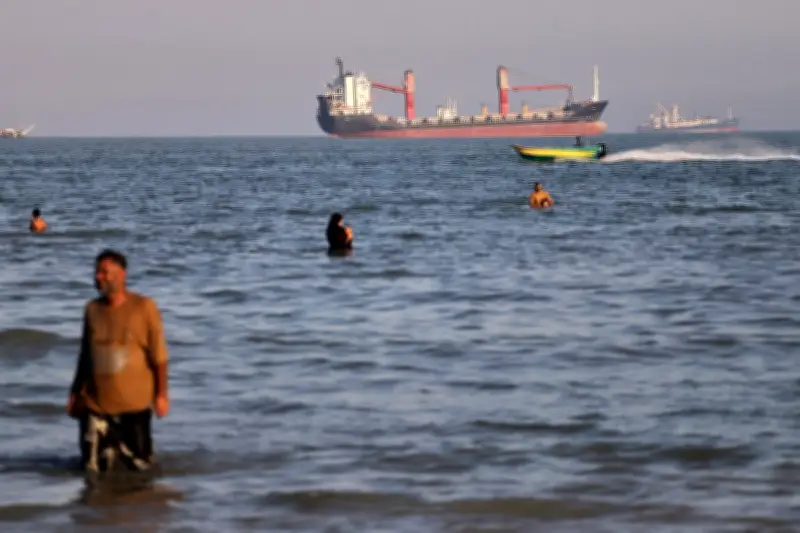
Oil tankers have begun using a new route through the Strait of Hormuz, defying Iranian threats of disruption in the strategic waterway. The development, reported by The Associated Press on June 25, 2026, signals a major shift in maritime traffic patterns as geopolitical tensions persist in the region.
New route details
The alternative passage allows vessels to bypass traditional chokepoints that Iran has previously threatened to block. According to maritime tracking data, several tankers have successfully navigated the new path in recent days, reducing reliance on the main shipping lane that has been a focal point of Iranian military posturing.
Iran has repeatedly warned of potential retaliation against shipping in the Strait of Hormuz, through which about 20% of the world's oil passes. However, the new route appears to offer a viable alternative, with tanker operators reporting no interference from Iranian forces.

Impact on oil markets
The shift has implications for global oil prices and supply chains. Analysts estimate that the new route could cut transit times by up to 15% for some vessels, potentially lowering shipping costs. However, the long-term viability remains uncertain as Iran may adapt its tactics.
"This is a significant development that could reshape regional energy security," said a maritime security expert. "If the route proves sustainable, it would reduce the strategic leverage Iran holds over global oil markets."
Geopolitical context
The timing coincides with stalled U.S.-Iran peace talks, which former Canadian chief of defence staff Gen. Tom Lawson and former head of mission in Iran Dennis Horak discussed in recent analysis. The talks have been postponed, leaving the region in a state of heightened alert.
Iran has not officially commented on the new route, but its naval forces have increased patrols in the area. The United States Navy's Fifth Fleet, based in Bahrain, has been monitoring the situation closely.
Industry response
Shipping companies have welcomed the alternative route, with several major operators confirming they have instructed their vessels to use it when possible. Insurance premiums for ships transiting the Strait of Hormuz have spiked in recent months, making the new passage economically attractive.
"Every dollar counts in this business," said a tanker captain who spoke on condition of anonymity. "If we can avoid the risks and costs associated with the main channel, we will."
The development comes as Canada faces its own energy challenges, with a report revealing massive emergency wait times in hospitals and ongoing debates over national-interest projects. Meanwhile, Pride Toronto is seeking help to close a $700K shortfall, highlighting the diverse range of issues competing for public attention.