Pakistan Escalates Cross-Border Conflict with Airstrikes Inside Afghanistan
In a dramatic escalation of regional tensions, Pakistan has carried out a series of airstrikes inside Afghan territory, with no signs of abatement in the persistent border fighting that has plagued the region. The military action represents a significant intensification of the long-standing conflict between the two neighboring nations, raising concerns about broader instability in South Asia.
Ongoing Hostilities and Recent Casualties
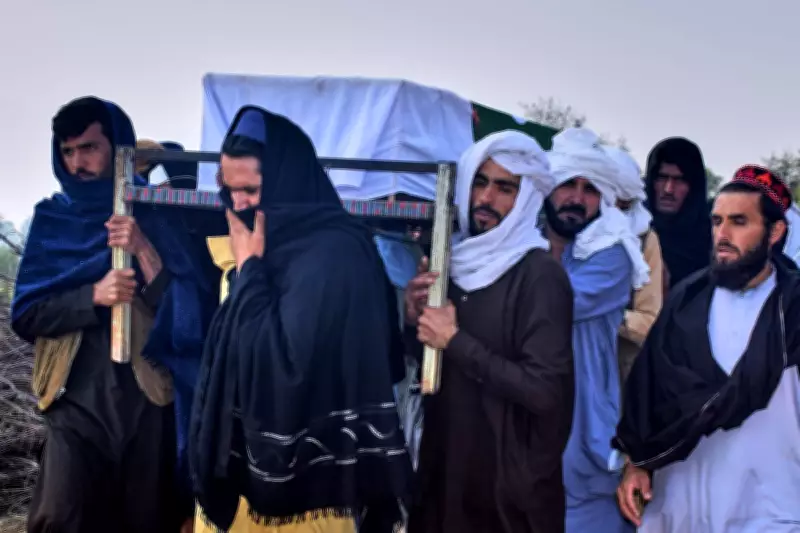
The airstrikes occurred against a backdrop of continuous cross-border clashes that have resulted in multiple casualties on both sides. Just recently, a Pakistani army soldier was killed in these confrontations, with his funeral prayer held in Lakki Marwat, a district within Pakistan's Khyber Pakhtunkhwa province. The solemn ceremony, captured in photographs, highlighted the human cost of the escalating violence.
This military operation marks a notable shift in Pakistan's approach to border security challenges, traditionally characterized by ground engagements and artillery exchanges. The decision to conduct aerial strikes deep inside Afghan territory suggests a more aggressive stance aimed at targeting what Pakistani officials have described as militant sanctuaries operating across the border.

Regional Implications and Diplomatic Fallout
The timing of these airstrikes is particularly sensitive, coming amid already strained diplomatic relations between Pakistan and Afghanistan. Both nations have historically accused each other of harboring militant groups that launch attacks across their shared, porous border. This latest escalation threatens to further complicate regional security dynamics and could potentially draw international attention to what has been a largely localized conflict.
Analysts note that such cross-border military actions carry significant risks of miscalculation and unintended escalation, particularly given the complex web of tribal affiliations and militant networks that operate in the border regions. The area has long been a flashpoint for conflict, with both governments struggling to assert control over the rugged terrain.
Humanitarian Concerns and Civilian Impact
While official statements from both sides typically focus on military targets, cross-border conflicts in this region have historically resulted in civilian casualties and displacement. The latest escalation raises concerns about the potential for increased humanitarian suffering in border communities already affected by years of instability.
The international community has repeatedly called for dialogue and de-escalation between Pakistan and Afghanistan, but these appeals have done little to prevent periodic outbreaks of violence. The current situation appears particularly volatile, with neither side showing willingness to back down from their military positions.
Looking Ahead: Uncertain Prospects for De-escalation
As the border fighting continues without letup, diplomatic channels remain largely inactive, suggesting that further military confrontations may be imminent. The airstrikes represent a dangerous new phase in the conflict, potentially setting a precedent for more frequent and deeper incursions into each other's territory.
The situation underscores the fragile nature of security arrangements in the region and highlights the challenges both nations face in managing their shared border. With no immediate diplomatic breakthrough in sight, residents of border areas brace for continued violence and instability in the coming days and weeks.