Pentagon Policy Chief Distances U.S. from Khamenei Killing, Attributes Action to Israel
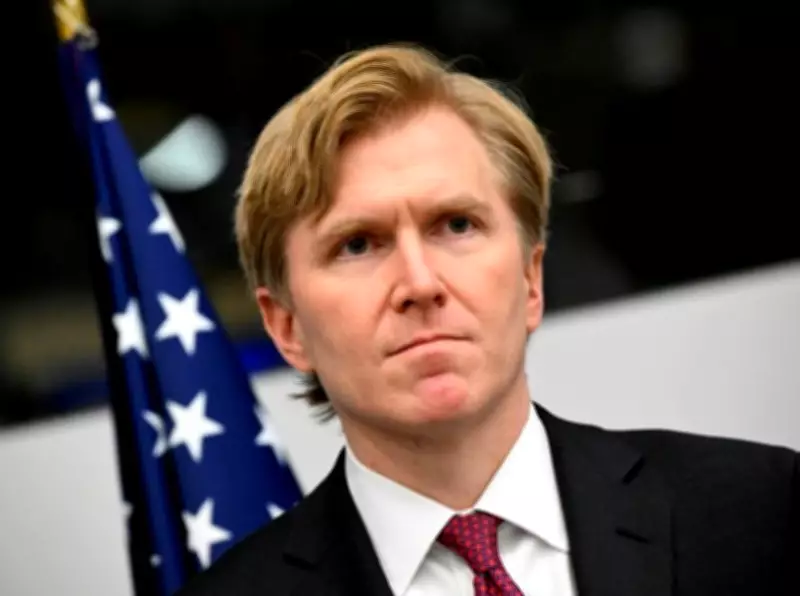
In a significant clarification before the Senate Armed Services Committee, Elbridge Colby, the U.S. Under Secretary of Defense for Policy, explicitly stated that the death of Iran's Supreme Leader Ayatollah Ali Khamenei resulted from an Israeli military strike, not American operations. Colby emphasized that the United States' military objectives in Iran remain "scoped and reasonable," focusing on degrading Iran's ability to project power rather than targeting its leadership directly.
Testimony Highlights Divergence in Administration Tone
During his testimony on Tuesday, Colby pushed back against suggestions that regime change was a goal of U.S. action, stating, "Those are Israeli operations," when questioned about the killing of Khamenei and other senior Iranian figures. This restrained approach contrasted sharply with President Donald Trump's more sweeping rhetoric, who had framed the conflict in triumphant terms and claimed close coordination with Israel in tracking Iranian leaders.
Colby detailed that American military campaign targets primarily include Iran's missile capabilities, weapons production facilities, and elements of its navy—objectives he described as achievable and focused on protecting U.S. forces and allies. When pressed by Democratic Senator Jack Reed on how Khamenei's death aligned with these goals, Colby reiterated that he was discussing American military objectives separately from Israeli actions.

Broader Questions About U.S. Strategy in Iran
The divergence in tone between Colby's testimony and Trump's public statements underscores ongoing questions about the administration's strategic aims in Iran. Secretary of State Marco Rubio added to this complexity by suggesting that Washington's involvement was reactive, initiated only after learning of Israel's planned strikes. This narrative positions the U.S. role as more limited than some public declarations might imply.
Despite Trump's calls for the Iranian people to seize an "unprecedented opportunity" for governmental change, Colby maintained that the U.S. military campaign is not explicitly aimed at regime overthrow. Instead, he framed it as a measured response to Iran's growing military threats, including its expanded missile firepower. The testimony highlights the delicate balance in U.S. foreign policy, as officials navigate between strategic objectives and the geopolitical ramifications of leadership strikes in a volatile region.