U.S. Defense Strategy Adjusts as Pentagon Envisions Reduced Role in North Korean Deterrence
In a significant development for global security dynamics, the Pentagon has indicated a forthcoming shift toward a more limited role in deterring North Korea. This strategic recalibration reflects evolving defense priorities and the growing capabilities of regional partners, particularly South Korea. The announcement comes amid ongoing tensions on the Korean Peninsula and underscores a broader trend of burden-sharing in international security frameworks.
Context and Implications of the Pentagon's Statement
The U.S. Department of Defense's foresight into a constrained involvement signals a potential de-escalation of direct military engagement in the region. Historically, the United States has maintained a robust presence through joint exercises and strategic alliances to counter North Korean aggression. However, recent assessments suggest a pivot toward supporting allied forces, such as South Korea's military, which has demonstrated increased proficiency in large-scale operations.
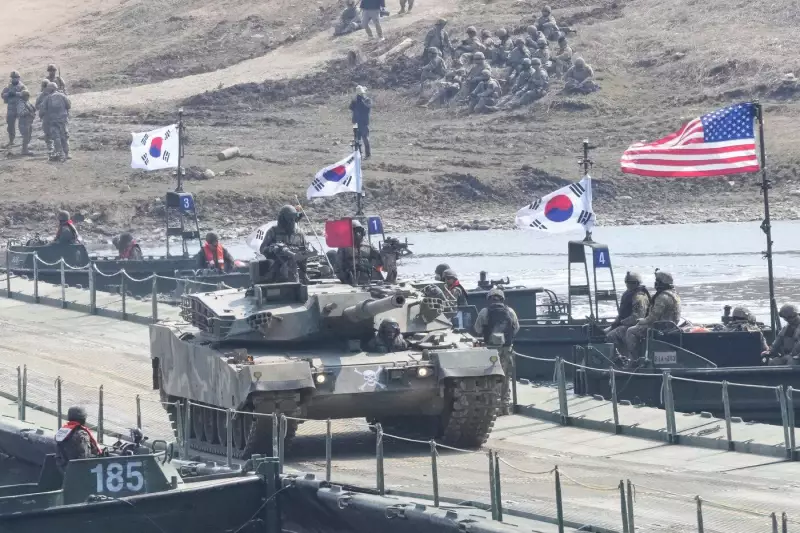
For instance, joint exercises like Freedom Shield have showcased enhanced interoperability between U.S. and South Korean troops, including river-crossing maneuvers and tank deployments. These drills not only bolster defensive readiness but also empower South Korea to take a more prominent role in its own security. The Pentagon's anticipated limited role may thus encourage greater self-reliance among allies, potentially reducing the risk of broader conflicts.

Factors Driving the Shift in U.S. Defense Policy
Several key factors are influencing this strategic adjustment:
- Geopolitical Realignments: As global threats diversify, the U.S. is reallocating resources to address challenges in other regions, such as cyber warfare and space defense.
- Allied Capacity Building: South Korea's advancements in military technology and training have reduced the necessity for extensive U.S. intervention, fostering a more balanced partnership.
- Economic and Political Considerations: Domestic pressures and budget constraints within the U.S. may incentivize a more measured approach to international defense commitments.
This transition does not imply a complete withdrawal of U.S. support but rather a refined focus on strategic advisory and logistical assistance. By adopting a more limited role, the Pentagon aims to enhance efficiency while maintaining a deterrent posture against North Korean provocations. Experts note that such a move could also mitigate escalation risks, as it emphasizes diplomatic and economic measures over purely military solutions.
Regional Reactions and Future Outlook
In response to the Pentagon's outlook, South Korean officials have expressed confidence in their ability to uphold regional stability. The country's ongoing military enhancements, including investments in advanced weaponry and joint exercises, align with this evolving defense paradigm. Meanwhile, North Korea's reaction remains uncertain, though analysts warn that any perceived reduction in U.S. involvement might be interpreted as an opportunity for increased assertiveness.
Looking ahead, the Pentagon's limited role is likely to involve:
- Continued intelligence-sharing and surveillance operations to monitor North Korean activities.
- Targeted military aid and technology transfers to bolster allied defenses.
- Enhanced diplomatic coordination through multilateral forums to address nuclear proliferation concerns.
This strategic shift underscores a broader trend in U.S. foreign policy toward selective engagement, where resources are prioritized based on immediate threats and alliance dynamics. As the global security landscape evolves, the Pentagon's approach to North Korea will serve as a critical case study in balancing deterrence with pragmatic resource management.