Russian authorities have reported a significant loss of life from a military strike in a village under their control in Ukraine. On January 2, 2026, officials stated that an attack launched by Ukrainian forces resulted in the deaths of at least 27 people. The incident marks one of the deadliest single events reported recently in the protracted conflict.
Kyiv's Firm Rejection of the Accusation
The government in Kyiv has swiftly and categorically rejected Moscow's allegations. Ukrainian officials denied responsibility for the strike on the occupied settlement, framing the Russian report as a potential misinformation campaign. This exchange highlights the ongoing war of narratives that accompanies the military confrontations on the ground, where establishing factual accountability remains intensely challenging.
Context of Ongoing Hostilities
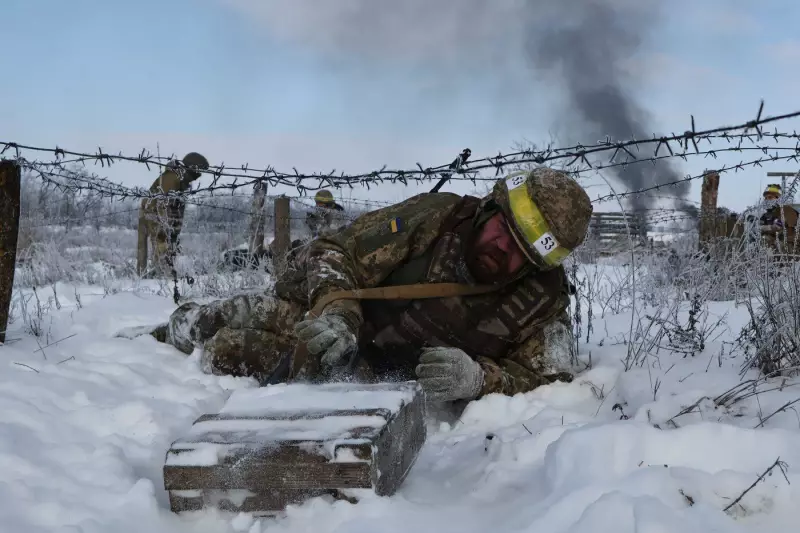
The reported strike occurs amid continued fierce fighting along the extensive front line. Just one day prior, on January 1, 2026, imagery released by Ukraine's 65th Mechanized Brigade showed new recruits undergoing military drills in the Zaporizhzhia region. This training underscores Ukraine's ongoing efforts to bolster its forces as the war, now stretching into another year, shows no signs of a decisive conclusion. The juxtaposition of training exercises and reports of deadly strikes illustrates the relentless and cyclical nature of the conflict.

International Scrutiny and the Path Forward
Casualty figures provided by either side in the war are difficult to verify independently. However, the claim of 27 fatalities, if confirmed, would represent a severe incident with substantial humanitarian consequences for the local population. Such events inevitably draw renewed international scrutiny and calls for investigations, though access to occupied territories is severely restricted. The incident is likely to further complicate any dormant diplomatic channels and reinforce the entrenched positions of both nations as they enter 2026.
The enduring conflict continues to shape global politics, energy markets, and security alliances. For civilians caught in the crossfire, whether in occupied villages or near the front lines, the new year has begun with familiar tragedy and uncertainty, underscoring the urgent, yet elusive, need for a sustainable resolution to the war.