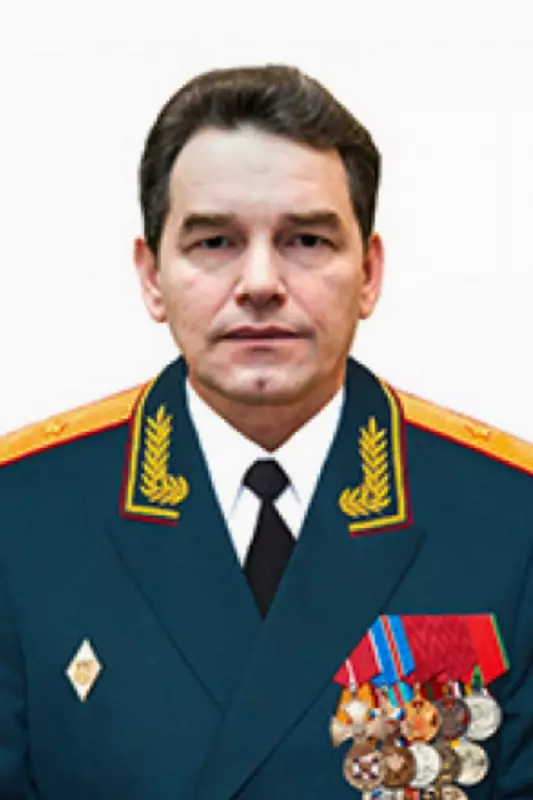
A high-ranking Russian military commander was assassinated in the capital on Monday, marking a significant escalation in covert attacks that Moscow has consistently blamed on Ukrainian operatives.
Details of the Attack
Lt. Gen. Fanil Sarvarov, the head of the Operational Training Directorate of the Russian Armed Forces General Staff, was killed on the morning of December 22, 2025. The attack occurred in southern Moscow when an explosive device detonated beneath his vehicle. The Russian Defense Ministry confirmed his death and released an undated official photograph of the general.
This incident is not an isolated event. It follows a documented pattern of targeted killings within Russia, including on its own soil, which the Kremlin alleges are orchestrated by Ukrainian intelligence services. The brazen attack in the heart of the nation's capital underscores the penetration of such operations and the vulnerability of even high-profile military figures.

Context and Escalating Tensions
The assassination of General Sarvarov represents a bold strike against the Russian military's command structure. As the head of a key directorate within the General Staff, he was responsible for operational training across the armed forces, a critical role in wartime. His death deals a symbolic and operational blow to Russia's military leadership.
Russian authorities have repeatedly accused Ukraine of carrying out a campaign of sabotage and assassination targeting military officers, political figures, and pro-Kremlin propagandists. Ukraine typically does not claim responsibility for such actions but often celebrates the outcomes, framing them as justified consequences for the invasion.
Implications and Potential Repercussions
This event is likely to intensify the already severe tensions between the two nations. Moscow may use the attack as a pretext for launching new, more aggressive military strikes against Ukrainian infrastructure or government targets. It also raises serious questions about internal security within Russia's major cities.
The killing of a senior general so close to the core of power in Moscow signals a new phase in the shadow war accompanying the conventional battlefield conflict. It demonstrates that the war's violence is not confined to the front lines in Ukraine but can reach the highest echelons of the Russian state. Analysts warn that such actions risk triggering unpredictable and potentially severe retaliatory measures from the Kremlin.