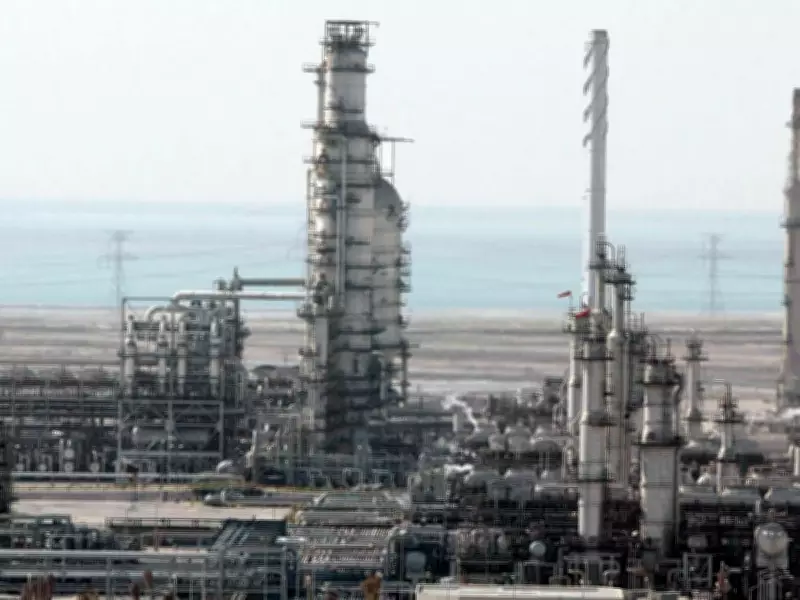
Saudi Arabia Drawn Deeper into Middle East Conflict Following Refinery Attack
Saudi Arabia finds itself increasingly entangled in the escalating Middle East conflict after a drone attack targeted its critical Ras Tanura oil refinery on March 2, 2026. The incident represents a significant escalation that threatens to draw the kingdom more directly into regional hostilities that have intensified over recent days.
Limited Fire at Strategic Refinery
According to official statements from the Saudi Press Agency, a "limited" fire broke out at the Ras Tanura facility along the Persian Gulf coast. The blaze resulted from debris generated when Saudi defenses intercepted two hostile drones. While the incident caused no civilian injuries, it prompted Saudi Aramco to temporarily halt operations at the refinery as a precautionary measure while damage assessments continue.
The Ras Tanura refinery represents one of Saudi Arabia's most vital energy assets, capable of processing more than half a million barrels of crude oil daily. Its strategic importance cannot be overstated, making this attack particularly concerning for both regional stability and global energy markets.

Business as Usual Gives Way to Growing Tensions
For nearly three days following the initial outbreak of regional hostilities, daily life in Saudi Arabia appeared largely unaffected. Schools operated normally, businesses conducted meetings, and international flights continued their schedules. This semblance of normalcy has now been disrupted by the refinery attack, which signals a potential turning point in Saudi Arabia's involvement in the conflict.
The kingdom had previously attempted to maintain a neutral stance in regional disputes, particularly under Crown Prince Mohammed bin Salman's leadership. This position formed part of a broader strategy to diversify the Saudi economy away from oil dependency through multi-trillion dollar initiatives. Direct threats to critical oil infrastructure like Ras Tanura may represent a red line that forces Saudi Arabia to reconsider its diplomatic and military positioning.
Regional and Global Implications
Torbjorn Soltvedt, principal Middle East analyst at risk intelligence company Verisk Maplecroft, emphasized the attack's significance: "The attack on Saudi Arabia's Ras Tanura refinery marks a significant escalation, with Gulf energy infrastructure now squarely in Iran's sights. The attack is also likely to move Saudi Arabia and neighbouring Gulf states closer to joining U.S. and Israeli military operations against Iran."
Global markets have already reacted to the heightened tensions. Crude oil prices in London surged nearly 10 percent following the weekend's hostilities. Saudi Arabian equities reversed earlier gains after news of the refinery attack emerged, though shares of Saudi Aramco continued trading higher as oil prices climbed.
Diplomatic and Military Responses
Saudi Arabia's frustration with Iran has been mounting visibly. The kingdom intensified its rhetoric against Tehran on Sunday, warning of consequences for Iran's actions and calling for international condemnation. Saudi officials summoned the Iranian envoy to deliver formal protests and confirmed they had intercepted Iranian missiles targeting assets in Riyadh and the eastern province where Ras Tanura is located.
Ministers from Gulf Cooperation Council countries convened for an extraordinary meeting to coordinate potential responses to what they described as "treacherous" and "heinous" actions by Tehran. This gathering signals growing regional alignment against Iranian aggression.
Historical Context and Future Concerns
This incident follows a pattern of attacks on Saudi energy infrastructure in recent years. In 2022, Yemen's Houthi rebels targeted an Aramco oil depot in Jeddah, disrupting Formula 1 Grand Prix festivities and prompting retaliatory airstrikes by the Saudi-led coalition in Yemen.
The current attack on Ras Tanura represents the first major reported disruption to Saudi infrastructure since Iran began targeting Gulf states on Saturday in response to joint Israeli-U.S. military actions. As the situation continues to develop, the international community watches closely, concerned about both regional stability and the potential impact on global energy supplies during a period of already heightened geopolitical tensions.