South Africa Confirms Two Nationals Died Fighting for Russia in Ukraine
The South African government has officially confirmed the deaths of two of its citizens who were fighting alongside Russian forces in the ongoing conflict in Ukraine. This announcement follows an investigation into a recruitment scheme that allegedly lured South African men into joining the war under false pretenses.
Details of the Recruitment Scheme
According to reports, several South African nationals were recruited through a program that promised lucrative employment opportunities in Russia. Instead, they were deployed to the front lines in Ukraine. The scheme has been described as deceptive, with participants claiming they were misled about the nature of their contracts and the risks involved.
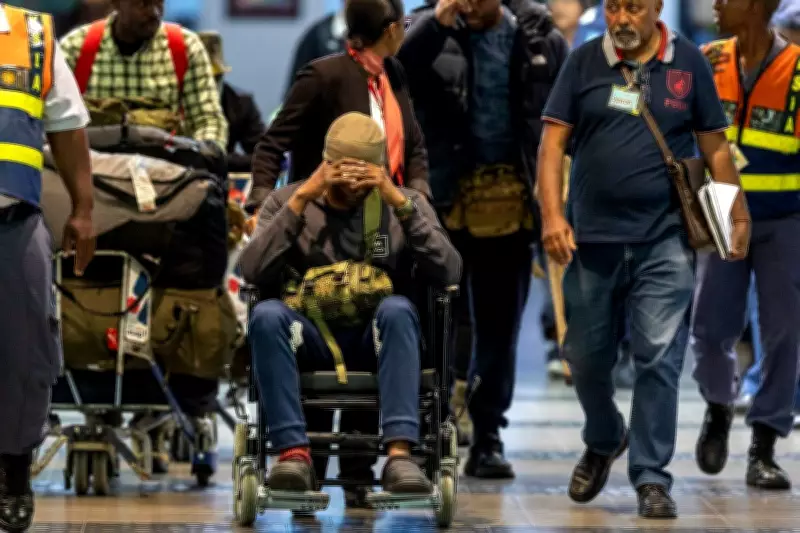
On Wednesday, February 25, 2026, a group of these men were escorted by police officers upon their arrival at King Shaka International Airport in Durban, South Africa. They had been repatriated after their involvement in the conflict came to light, highlighting the international ramifications of such recruitment practices.

Government Response and International Implications
The South African authorities have expressed deep concern over the incident, emphasizing that they do not condone the participation of their citizens in foreign conflicts. The deaths of the two nationals have sparked a broader discussion about the ethical and legal aspects of recruiting foreign fighters, particularly in war zones like Ukraine.
This development adds a new layer to the complex dynamics of the Russia-Ukraine war, which has drawn in participants from various countries. It raises questions about accountability and the protection of individuals caught in such schemes, as well as the potential strain on diplomatic relations between South Africa and other nations involved.
Broader Context and Ongoing Investigations
The confirmation of these deaths comes amid a series of global events, including political shifts and economic reports, but it underscores the human cost of the conflict. South Africa is now likely to intensify its efforts to prevent further recruitment of its citizens for foreign wars, possibly through stricter regulations and international cooperation.
As investigations continue, the focus remains on providing support to the affected families and ensuring that such incidents are not repeated. The case serves as a stark reminder of the dangers faced by individuals who become entangled in international conflicts through dubious recruitment practices.