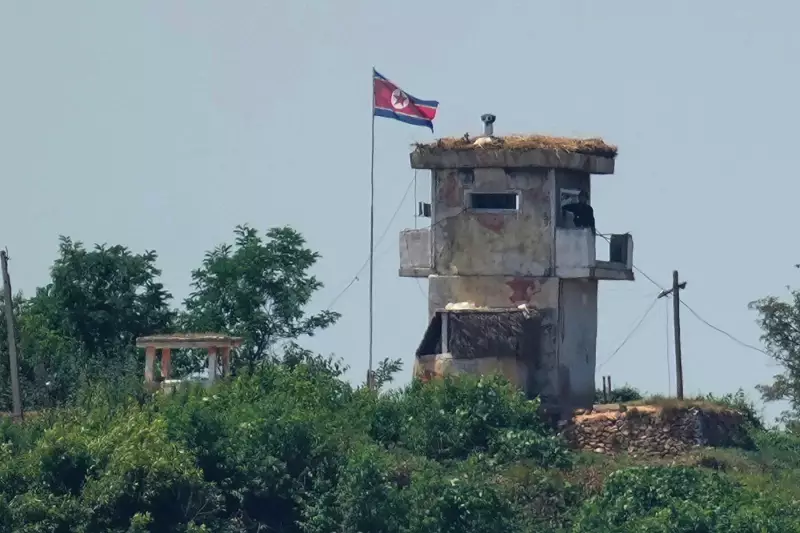
South Korea Imposes Travel Bans on Civilians Over Alleged Drone Incursions
In a significant and unusual move, South Korean authorities have imposed travel bans on three civilians. The individuals are accused of allegedly operating drones that flew into North Korean airspace. This action underscores the heightened sensitivities and strict regulations surrounding cross-border activities on the Korean Peninsula.
Details of the Alleged Incidents
The specific details regarding the dates, locations, and purposes of the alleged drone flights have not been fully disclosed by officials. However, the imposition of travel restrictions indicates that the South Korean government is treating these incidents with the utmost seriousness. Unauthorized drone flights near the heavily fortified border are considered major security breaches.
This region remains one of the most militarized in the world, with both nations maintaining a state of armistice since the Korean War. Any unauthorized aerial activity can be perceived as a provocation or espionage, potentially escalating tensions.

Legal and Security Implications
The travel bans prevent the three individuals from leaving South Korea while investigations proceed. This measure is part of a broader legal framework designed to control activities that could threaten national security or violate inter-Korean agreements. South Korea has stringent laws governing drone use, especially near the Demilitarized Zone (DMZ).
Analysts suggest that such civilian cases are relatively rare but highlight the ongoing challenges of monitoring and securing the border against modern technologies. Drones present a new frontier in border security, capable of gathering intelligence or causing disruptions with relative ease compared to traditional methods.
Context of Inter-Korean Relations
This development occurs against a backdrop of fluctuating relations between Seoul and Pyongyang. While there have been periods of diplomatic engagement, tensions often resurface over military exercises, weapons tests, and now, incidents involving unauthorized aerial vehicles. The South Korean government's firm response aims to deter similar actions and reinforce its commitment to border security.
The case also raises questions about the motivations behind the alleged flights, whether they were for personal, commercial, or other purposes. Authorities have not commented on whether the individuals face additional charges beyond the travel restrictions.
As investigations continue, this incident serves as a stark reminder of the delicate and often volatile situation on the Korean Peninsula, where even actions by private citizens can have significant diplomatic and security repercussions.