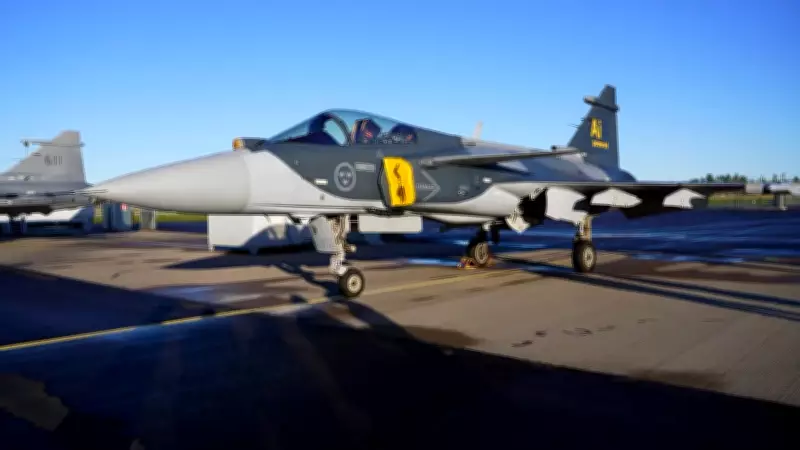
Sweden Conducts Gripen Fighter Jet Demonstrations for Canada in NATO Context
In a strategic move to bolster defense cooperation, Sweden has flown its JAS 39 Gripen fighter jets as part of an offer extended to Canada, aligning with NATO mission objectives. This demonstration underscores Sweden's commitment to enhancing military partnerships and showcasing the advanced capabilities of its aircraft fleet.
Flight Operations and Strategic Implications
The flight demonstrations, which took place recently, involved multiple sorties of the Gripen jets, designed to highlight their performance in various operational scenarios. Swedish officials emphasized the jets' versatility, including their ability to operate in diverse climates and integrate with allied forces, making them a potential asset for Canada's defense strategy.
This initiative comes at a time when NATO members are increasingly focused on interoperability and shared security measures. The Gripen, known for its cost-effectiveness and advanced technology, could offer Canada a modern solution to its fighter jet needs, particularly as the country evaluates options to update its air force capabilities.

Background on the Gripen Offer
Sweden has been actively promoting the Gripen to international partners, with Canada being a key target due to its role in NATO and ongoing defense procurement plans. The offer includes not only the aircraft but also training, maintenance, and potential industrial benefits, such as technology transfers and job creation in Canada's aerospace sector.
Analysts note that this demonstration is part of a broader effort by Sweden to expand its defense exports and strengthen ties within the NATO alliance. It follows previous discussions between Swedish and Canadian officials, where the Gripen was presented as a competitive alternative to other fighter jets on the market.
Reactions and Future Prospects
Canadian defense experts have welcomed the demonstration, citing the Gripen's proven track record in European operations and its adaptability to Canada's specific requirements, such as Arctic surveillance. However, a final decision will depend on factors like budget considerations, alignment with Canada's long-term defense policy, and potential competition from other aircraft manufacturers.
As NATO continues to address global security challenges, this development highlights the importance of collaborative defense initiatives. The outcome of Sweden's offer could influence future procurement decisions and enhance military cooperation between the two nations.