In a significant move to bolster its national security, the Swedish government has announced a substantial financial commitment to upgrade its air defence systems. The planned investment totals US$1.6 billion, marking a clear intent to strengthen the nation's military readiness.
A Strategic Defence Enhancement
The announcement, made public on January 11, 2026, outlines a comprehensive plan to modernize Sweden's aerial protection capabilities. While the specific technical details of the procurement are still being finalized, the substantial funding indicates a major upgrade is imminent. This decision comes during a period of heightened geopolitical tensions in Northern Europe, underscoring the government's focus on sovereign defence.
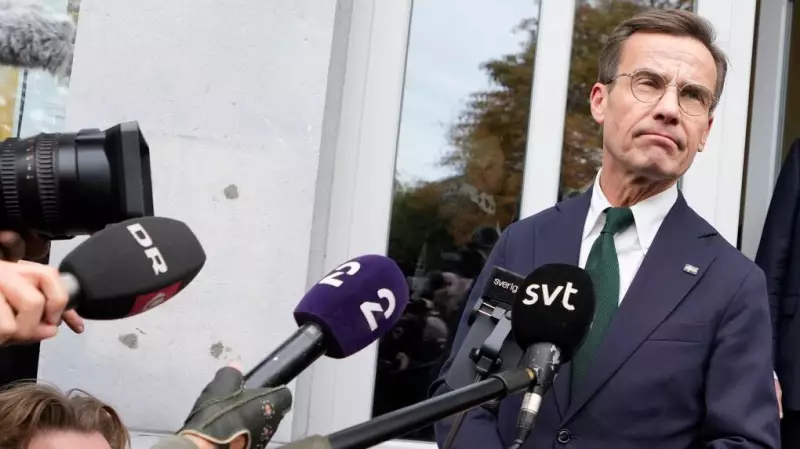
Prime Minister Ulf Kristersson is at the forefront of this initiative. The investment is seen as a direct response to the evolving security landscape, where advanced aerial threats have become a primary concern for many nations. The funding is expected to be allocated towards new technologies, radar systems, and interceptor capabilities that can detect and neutralize potential threats from the air.

Context and Regional Implications
This multi-billion dollar pledge is not an isolated event but part of a broader trend of increased defence spending across the region. Sweden's move aligns with a collective effort by European nations to enhance their military resilience following recent conflicts and ongoing instability. The investment will likely involve partnerships with both domestic defence contractors and international allies to acquire state-of-the-art systems.
The Swedish parliament is anticipated to review and approve the funding package in the coming months. Defence analysts suggest the upgrades could include long-range radar networks, advanced surface-to-air missile systems, and integrated command-and-control infrastructure. This modernization aims to create a layered air defence shield, capable of protecting Swedish airspace from various altitudes and ranges.
Looking Ahead: Security and Sovereignty
The US$1.6 billion injection into air defence represents one of the largest single defence allocations in recent Swedish history. It signals a strategic pivot towards ensuring long-term aerial dominance and territorial integrity. For Canadian observers and allies within NATO, Sweden's increased military spending highlights the shifting priorities in global defence, where nations are taking proactive, independent steps to secure their borders.
The final implementation plan, including procurement timelines and specific equipment choices, will be closely watched by defence experts worldwide. This commitment firmly places national security at the top of Sweden's political agenda and sets a precedent for other nations evaluating their own defence postures in an uncertain world.